
35 Green Vegetables for Salads, Soups and Sides

If one color dominates the vegetable world, it’s green. And it’s no surprise, as green has long been associated with freshness, vitality, and healthy eating. This category includes everything from crunchy salad vegetables and leafy greens to sea vegetables, aromatic herbs, sturdy brassicas, and unusual heirloom varieties. The flavors are just as varied too: peppery, grassy, bitter, sweet, earthy, and sometimes all in the same meal.
Green vegetables get their color largely from chlorophyll, the pigment involved in photosynthesis and one of the reasons dark greens are often associated with nutrient-dense eating. Whether you cook them quickly or slowly, eat them raw or roasted, green vegetables bring texture, freshness, and flexibility to almost every cuisine.
1. Spinach
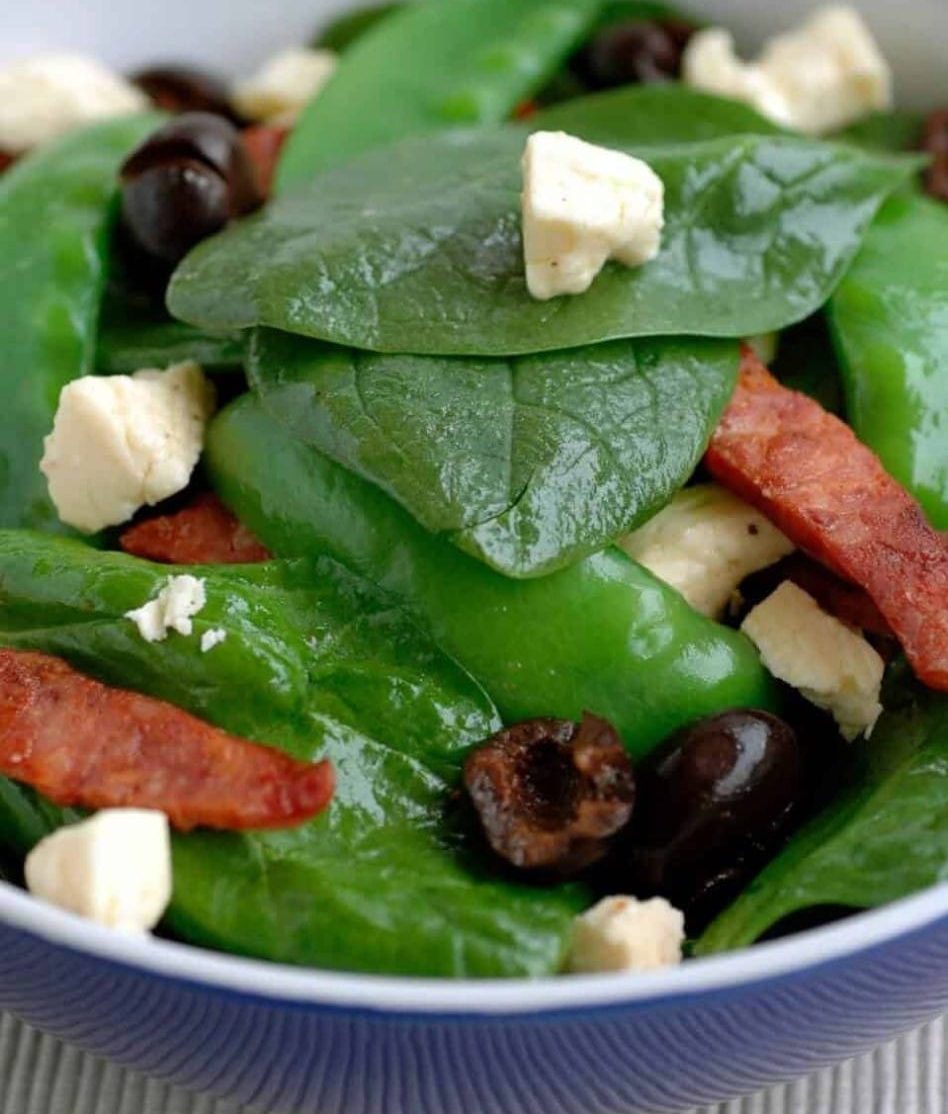
One of the most versatile leafy greens in the kitchen, spinach moves effortlessly between raw salads and hot pans. Raw, its tender leaves offer a mild, slightly sweet crunch; when cooked, it wilts down quickly into a soft addition for pastas, savory pies, and egg dishes and even desserts. It pairs especially well with garlic, cream sauces, and rich cheeses. Additionally, spinach is known to be rich in vitamins A, C, and K, as well as folate and iron.
2. Kale
Robust and hearty, kale has earned a permanent place in modern cooking thanks to its sturdy texture and earthy flavor. It holds up well to citrusy dressings for salads that stay crisp longer, and it works equally well in soups, stews or as an addition to duck breast. Baked with olive oil and salt, it transforms into crisp, savory chips.
Kale is particularly rich in vitamins K, A, and C, along with antioxidants such as lutein and beta-carotene.
3. Lettuce
Whether crisp iceberg, sturdy romaine, or delicate leaf varieties, lettuce brings crunch and freshness to countless dishes. Its high water content gives it a cooling, mild flavor that works with everything from bold dressings to rich fillings. Beyond salads, lettuce leaves make excellent wraps and crunchy taco cups. It’s a great way to add more vitamin K and folate to your plate.
4. Cabbage

Tightly packed and incredibly hardy, green cabbage is a true workhorse of everyday cooking. It brings sharp crunch when shredded raw but sweetens significantly when cooked slowly or fermented. Affordable and long-lasting, it adds bulk and texture to any dish it’s added to. As a cruciferous vegetable, cabbage contans a lot of fiber and vitamin C and it’s easy to use it in various different ways, whether it’s in stews, wrapped in delicious rolls, or added raw to salads.
5. Bok Choy
A staple of East Asian cooking, bok choy offers two textures in one ingredient thanks to its juicy stalks and tender leaves. Its mild flavor and subtle sweetness make it easy to pair with strong sauces and aromatics. Quickly stir-fried with garlic and ginger, it makes a simple side dish.
6. Swiss Chard
With broad green leaves and sturdy stalks, Swiss chard offers two textures in one ingredient. The leaves cook down similarly to spinach, while the stems keep a pleasant bite. Rich in magnesium and potassium, this veggie is a great addition to grain bowls, frittatas, and rustic tarts or sides.
7. Arugula
Arugula brings a peppery bite and a hint of nuttiness that immediately changes the character of a dish. Its delicate leaves work especially well in salads, sandwiches, and scattered over pizza just before serving to add a pop of color and a boost of antioxidants. Rich cheeses and sweet dressings balance its sharper edge nicely.
8. Watercress
Growing naturally in cool, shallow streams, watercress has small leaves with a surprisingly peppery bite. Its crisp texture works well in sandwiches, salads, and noodle dishes. Blended into soups, it adds color and depth. If you need some quick inspiration, you can try adding it in a smoked salmon pappadum stack appetizer, where its flavor really gets an opportunity to shine.
9. Mustard Greens
Mustard greens carry a sharp, peppery bite that can remind some people of horseradish or mustard. Raw leaves add boldness to salad mixes, while cooking softens their intensity considerably. They work especially well braised or paired with stronger seasonings.
10. Collard Greens
Collard greens feature thick, sturdy leaves that become deeply tender when given enough cooking time. They are traditionally simmered slowly with smoky meats, vinegar, and spices to build rich flavor. Their hearty texture makes them especially suited to long cooking and are particularly high in vitamins K, A, and also supplying calcium and fiber.
11. Broccoli

A familiar favorite, broccoli is prized for its dense florets that absorb sauces and seasonings well. Roasting deepens its sweetness and creates crisp edges, while steaming keeps it bright and tender. It works equally well in healthy salmon rice bowls, creamy soups, or cheesy bakes. Everyone already knows about broccoli’s nutrient content – full of fiber, folate, and vitamins C and K – which make it one of the most nutrient-dense green vegetables.
12. Brussels Sprouts
Brussels sprouts are rich in fiber, vitamin C, folate, and antioxidant compounds. These miniature cabbage relatives have become popular thanks to how well they respond to high heat. Roasting or pan-searing brings out sweetness while crisping the outer leaves. They pair particularly well with bacon, balsamic vinegar, and sharp cheeses.
13. Green Beans
Crisp and versatile, green beans pair effortlessly with almost any main course. Quick blanching keeps them bright and snappy, while sautéing develops more savory flavor. They provide a significant amount of plant protein, which makes them a good choice for lovely and healthy side dish, or work just as well on their own. They need little more than lemon, garlic, or butter to work well.
14. Peas

Fresh peas bring natural sweetness and bright flavor to everything from pasta dishes to risottos and light quiches. Their tender texture and vibrant color make them especially useful in spring cooking. Frozen peas work surprisingly well when fresh ones are unavailable.
15. Sugar Snap Peas
Sugar snap peas are eaten whole, combining juicy pods with sweet peas inside. Their thick crunch makes them ideal for raw snacking, salads, and quick stir-fries. They need very little cooking to stay crisp and sweet.
16. Okra

Known for its velvety texture and ribbed pods, okra is a classic ingredient in stews and gumbo. Fried preparations create a crisp exterior while minimizing its softer interior texture. It pairs especially well with bold spices and tomato-based dishes.
17. Zucchini

With its mild flavor and high moisture content, zucchini adapts easily to many cooking styles. It absorbs surrounding flavors well whether added to pasta, roasted, spiralized, or baked into quiches and bread. Its soft texture makes it especially useful in summer cooking and it offers vitamin C, potassium, and hydration thanks to its high water content.
18. Cucumbers
Packed with water and crisp texture, cucumbers are staples of salads, refreshigng tzatziki dips, and even cooling summer soups. Their mild flavor works especially well alongside yogurt, herbs, and acidic dressings. Keeping the peel on adds extra texture and slight bitterness.
19. Celery
Celery provides clean crunch and savory depth in everything from purée to salads. Its subtle herbal quality makes it a foundational ingredient in stocks and slow-cooked dishes. Raw, it remains one of the easiest vegetables to snack on.
20. Asparagus

The arrival of asparagus is one of the clearest signs of spring produce season. Its earthy, grassy flavor works with very little embellishment. Blanching, grilling, or shaving it raw all highlight different sides of the vegetable. It’s also worth noting that asparagus is a good source of folate, vitamin K, and antioxidant compounds.
21. Artichokes
Under their layered leaves sits one of Mediterranean cooking’s most prized ingredients: the tender artichoke heart. Full of good-for-you vitamins and minerals, preparing artichokes might take a little patience, but the result is often soft, nutty, and rich-tasting. Steaming and roasting are especially popular approaches, but you can also make tea from it, which becomes a perfect broth for seabass.
22. Leeks
A milder relative of onions, leeks bring sweetness and depth without overpowering other ingredients. Slowly cooked, they become soft and silky, and their mild flavor makes them ideal for soups and savory baking. Their pale green sections work especially well in long-cooked dishes. Nutritionally, leeks supply vitamin K, folate, and antioxidant compounds similar to those found in onions and garlic.
23. Green Bell Peppers
Harvested before ripening fully, green bell peppers have a sharper, more herbaceous flavor than red or yellow varieties.They’re especially rich in vitamin C and also provide vitamin A and antioxidants so they’re an easy nutritional boost to add to your diet. Their slight bitterness works well with rich meats and savory fillings, but they are especially common in stir-fries, roasts, and stuffed pepper dishes.
24. Jalapeños
Jalapeños deliver manageable heat alongside a fresh, grassy flavor. They appear everywhere from salads and pickles to light appetizers and satisfying meat mains. They are one of the easiest ways to add familiar heat to everyday cooking.
25. Tomatillos
Wrapped in papery husks, tomatillos look similar to tomatoes but taste entirely different. Their firm texture and tart flavor make them essential for salsa verde and many Mexican sauces. Roasting softens their acidity and adds depth.
26. Green Tomatoes
Firm and tangy, green tomatoes have a completely different character from ripe red tomatoes lower in sugar than fully ripened tomatoes. They’re lower in sugar than fully ripened tomatoes and their structure holds up especially well to frying and roasting, but surprisingly even some desserts. Their acidity cuts through richer dishes beautifully.
27. Green Onions

Also called scallions, green onions provide two textures and flavors in one ingredient. The white ends bring sharper onion flavor, while the green tops are milder and fresher. They work as garnishes, topping ingredient for foccacia, and chopped into fish spreads.
28. Fennel
With its bulbous base and feathery fronds, fennel brings a distinct anise-like flavor to cooking. Raw, it adds crunch and freshness to salads. Cooked slowly, it becomes noticeably sweeter and softer, perfect for chowders and seafood dishes.
29. Celeriac
This rough-looking root hides dense flesh with concentrated celery flavor underneath. Its texture makes it ideal for roasting, mashing, and soups. It adds earthy depth to cold-weather dishes, providing high fiber content for relatively few calories.
30. Romanesco
Romanesco is instantly recognizable thanks to its striking spiral pattern and bright green color. Its flavor sits somewhere between broccoli and cauliflower, with a mild nuttiness and firmer texture. Roasted or steamed, it keeps its shape particularly well.
31. Kohlrabi
Looking like a cross between a turnip and a space shuttle, kohlrabi hides crisp flesh beneath its thick skin. Its flavor resembles broccoli stems with a little extra sweetness and shares much of the same nutritional value. It’s a more versatile vegetable than you’d think; it works especially well cooked in creamy soups, fritter or pasta.
32. Edamame

These young soybeans are harvested before fully maturing, giving them a sweet, nutty flavor and firm texture. Edamame stands out for its combination of plant protein, fiber, folate, and iron content. As for practical use, they work really well steamed whole and sprinkled with salt as a popular snack. The shelled beans also work well in various bowls and salads.
33. Endive
Belgian endive grows in tightly packed heads with crisp leaves and a noticeable bitterness. This bitterness makes it especially useful alongside rich cheeses, marianted fish, creamy dressings, and sweet ingredients. The leaves also make convenient edible scoops for appetizers.
34. Purslane
Purslane features succulent leaves and stems with a refreshing, lemony tang. Its juicy texture works particularly well in salads and Mediterranean dishes. It adds brightness without overwhelming other ingredients. Purslane contains vitamin C and is notable for providing omega-3 fatty acids, which are uncommon in vegetables.
35. Seaweed

Seaweed brings ocean-like umami and a completely different flavor profile from land vegetables. It provides minerals such as iodine along with a range of vitamins and antioxidants.
From crispy nori sheets (great for making kimpap) to tender wakame salads, it covers a wide range of textures and uses. It adds savory depth to soups, bowls, and specialty meats, like guinea fowl.
Have we missed any green veggies from our list? Please let us know in the comments section below.
Related: 25 Naturally Green Foods (With Pictures!)
Related: 26 Green Fruits Worth Adding to Your Plate
