
38 Fantastic Fruits Starting with F

This collection of fruits beginning with F spans well-known classics and lesser-known regional varieties, each offering distinct flavors and culinary uses. Many work beautifully in both sweet and savory dishes, appearing in everything from pies and salads to sauces and dips. To make things even more practical, we’ve included recipe examples along the way so you can start incorporating them into your culinary repertoire. Enjoy!
1. Fig

Soft, jammy, and naturally honey-sweet, figs are a sheer delight straight off the tree. For a luxurious treat, roast them gently with a drizzle of honey and sea salt or tuck them into a rustic galette. Their rich flavor is also brilliant in savory pairings—try them sliced onto a goat cheese crostini or simmered into a sweet-and-tangy balsamic glaze for pork or chicken.
Find some cooking inspiration from recipes like Dalmatian Fresh Fig Tart, Raspberry Fig Cake, and the savory twist Stuffed Figs with Chicken & Tamarind Sauce.
2. Feijoa (Pineapple Guava)
Not to be mistaken with feijoada, Brazil’s most popular dish, this unique, fragrant green fruit has a tropical perfume and creamy, tangy flesh that tastes like a mash-up of pineapple, guava, and mint. It grows in Brazil (of course!), but also in other parts of South America like Colombia and Argentina.
Scoop out the pulp for smoothies, homemade jams, or bright chutneys. They also bake beautifully! Try folding the diced fruit into a quick bread or muffins for a signature citrus-guava note.
3. Finger Lime
Known as “citrus caviar,” these little gems burst with tiny, tangy pearls of juice—no squeezing necessary! They are the ultimate garnish for a visual and flavor pop. Sprinkle the vibrant beads liberally over fresh oysters, sashimi, panna cotta, or even creamy avocado toast for a sophisticated citrus sparkle.
4. Farkleberry
A small, wild cousin of the blueberry, this berry offers a deep, earthy sweetness with a hint of spice. Its intense color and flavor make it ideal for rustic jams, thick syrups, and hearty cobblers. Try cooking it into a rich sauce to accompany richer meats like duck or venison—it adds a dramatic touch!
5. Fox Grape
Native to North America, this is a bold, intensely “grapey” variety with thick, slip skins. Because of their concentrated flavor, they are traditionally the star ingredient in robust jams, rich juices, and deep-hued wines. They also create an incredible sorbet or a dark, flavorful reduction for savory sauces.
6. Fe’i Banana
A striking Polynesian banana known for its bright orange flesh and subtle tangy flavor. Unlike the Cavendish, this variety is typically best enjoyed when steamed, boiled, or baked (it’s rarely eaten raw). Its natural sweetness makes it perfect for warm puddings, creamy mashes, or traditional banana dishes.
7. Flat Peach (Donut Peach)

Juicy, low-acid, and delightfully candy-sweet, the flat peach is designed for effortless enjoyment. Its shape is perfect for eating fresh, but it’s also fantastic sliced into a summer salad or tossed on the grill for a smoky-sweet dessert. They make exquisite, easy-to-slice tarts and galettes too.
They’re super easy to turn into something sweet and impressive such as a golden Peach Cobbler, a Fresh Peach Tart with Creamy Peach Filling & Walnut Crust or an indulgent Chocolate & Peach Cheesecake.
8. Fragrant Pear
This is a pear for elegance—it’s crunchy, refreshingly juicy, and carries a beautiful, delicate perfume. They are delicious simply sliced into a light salad. For a lovely dessert, try poaching them gently with vanilla and star anise until soft and fragrant. Their mild sweetness loves a pairing with ginger or a mild honey.
Pears shift easily between luxury dessert and elegant savory bite — you can bake them into a Pear Almond Cake with cardamom and lemon, poached gently in wine as in Wine Poached Pears with Marsala Sabayon, or wrapped in prosciutto with goat cheese as in Prosciutto-Wrapped Pear & Cheese Rolls.
9. Finger Banana
A tiny, adorable banana variety that is short (often just a few inches!) but big on concentrated, sweet flavor. They are fantastic caramelized quickly in butter for pancakes, mashed into banana bread, or simply roasted whole with cinnamon for a quick, warm treat. They also make a cute garnish!
10. Five-Flavor Berry (Schisandra Berry)
This unusual berry is named for its complex balance of sweet, sour, salty, bitter, and spicy notes. Traditionally used in teas and syrups, modern cooks love to infuse its complex flavor into cocktails, sorbets, and syrups. Its unique profile is surprisingly delicious when blended into a berry sauce for cheesecake or creamy desserts.
11. Faux Mango (Cecropia Fruit)
This Central and South American fruit earns its fun nickname from its soft, sweet, and gently tropical pulp. It’s often eaten fresh right out of the shell, but it’s especially good blended into creamy smoothies or gently mashed into an easy jam. Its delicate sweetness is a subtle player in any fruit salad.
12. Frangipani Fruit
While not a common ingredient, the fruit of certain frangipani species is edible when fully ripe, offering surprisingly soft, delicate, and mildly sweet flesh. It’s occasionally used in tropical recipes like light local jams, simple custards, or blended into exotic fruit cocktails. Its gentle flavor is a lovely, subtle addition to any mixed-fruit dish.
13. French Prune Plum

A wonderfully sweet and firm plum that is a total star in the oven. It holds its shape beautifully when baked in tarts, stunning upside-down cakes, and rustic galettes. When cooked gently, these plums also break down into a silky, rich compote or jam.
Plums bring a lovely balance of sweetness and tang, making them just as tempting in desserts like the rustic Plum Galette or soft, cloud-light Fluffy Vegan Plum Pie as they are in savory dishes such as Pan-Fried Pork Chops with Plums & Rosemary.
14. False Mastic (Guaiacum Fruit)
An uncommon, sweet Caribbean fruit with a sticky, date-like pulp and a faint, resinous aroma. Traditionally it’s enjoyed fresh, much like a date or persimmon, or used in small amounts in local desserts. Its texture and flavor work wonderfully when incorporated into puddings or slow-cooked fruit compotes.
15. Fuerte Avocado
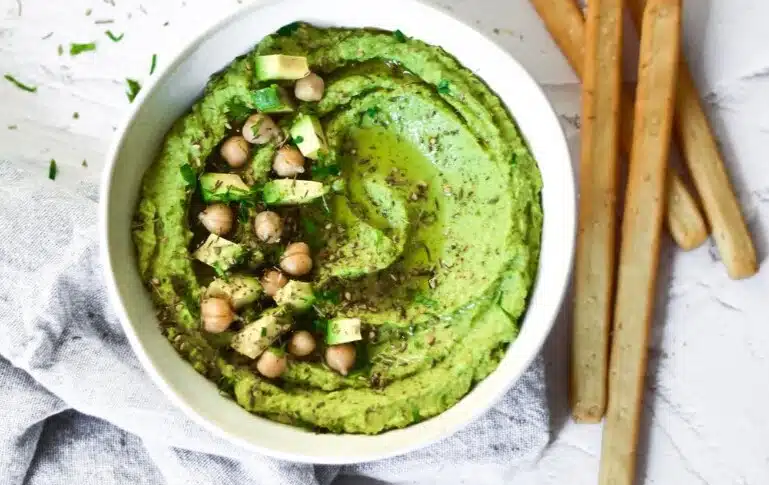
A much-loved classic! This variety boasts wonderfully creamy, nutty flesh and a thin skin that is easy to manage. It’s the perfect choice for thick, rich guacamole, slicing into salads, and layering in sushi. But don’t stop there—its velvety texture is a showstopper in dessert recipes like rich chocolate avocado mousse or homemade ice cream.
Avocado’s creamy richness also makes it wonderful in layered dishes like the Avocado and Crab Stack Salad, or Pico de Gallo Shrimp & Avocado Salad where its soft texture balances fresh seafood and bright citrus or a colorful. You can also make a great dip for lighter meals and appetizers with this Avocado Hummus with Spinach.
16. Fruta de Conde (Sugar Apple Relative)
A true tropical delight with a custard-like texture and sweet, creamy segments, similar to a cherimoya. It’s delightful eaten simply—chilled with a spoon—or stirred into plain yogurt. Its velvety mouthfeel makes it a natural fit for blended smoothies, sweet puddings, or churned ice creams.
17. Fibrous Mombin
This tropical gem has juicy, tart-sweet flesh and a distinct, appealing apricot-like scent. It’s most commonly blended into refreshing juices, zesty sherbets, and bright yellow jams. In Caribbean cooking, the pulp is often simmered into savory chutneys or cooked down with sugar and spices to create a tangy sauce that complements grilled meats beautifully.
18. Fiddlewood Fruit
These small, orange-red berries offer a pleasant mild, sweet-tart flavor. They are often simply eaten fresh or cooked into easy, basic jams. In some traditional recipes, they are baked directly into rustic cakes or simmered to create a naturally sweet syrup perfect for drizzling over pancakes or ice cream.
19. Firethorn Berry
These striking orange-red berries are too tart to enjoy raw, but they transform beautifully once cooked. They are traditionally made into clear jellies, firm fruit pastes, and syrups that offer a great counterpoint to cheese and savory dishes. When combined with milder apples or pears, they create preserves with a strikingly vivid color.
20. Finger Sour Plum (Native Australian Ithacan Plum)
A small, extremely tart wild plum used primarily for its strong acidity in cooking. It is fantastic in sauces, pickles, and vibrant jams. Its intense sourness cuts through richness, making it excellent in lively glazes for poultry or duck, and chefs use it to add a powerful tang to compotes and relishes.
21. Fatalii Pepper Fruit (Capsicum chinense)
Although botanically a fruit, this is known as a fiery chili! While the heat is intense, small amounts of the pepper (and its fiery citrus flavor) add incredible brightness to savory chutneys, fresh fruit salsas, or tropical sauces. When cooked down into a jam with sweeter fruits like pineapple or mango, it creates a highly sought-after sweet–spicy condiment.
22. False Pineapple
A Central American wild fruit with a pleasantly juicy, mildly sweet pulp. While it’s lovely eaten fresh, its tender flesh blends beautifully into tropical fruit salads or can be gently stewed with cinnamon and sugar for a warm, comforting compote. Its juice is also excellent for simple syrups.
23. False Tamarind (Velvet Tamarind)
Don’t confuse this with the usual tamarind pod! This small, black-shelled West African fruit contains tangy, tamarind-like pulp that is fantastic in drinks, candies, and zesty chutneys. Its sweet-sour profile makes wonderfully refreshing juices or can be simmered into spicy preserves and sauces for poultry or fish.
24. Fiji Longan
Similar to a lychee, the Fiji longan has gorgeous, juicy, translucent flesh and a sweet, delicate lychee-like perfume. It’s totally delicious eaten fresh and chilled over crushed ice or added whole to fruit salads. Many cooks use the pulp to flavor syrups, vibrant cocktails, and light Asian-style desserts.
25. Frost Grape
A wild North American grape whose intense, sweet-tart flavor deepens dramatically after the first hard frost. This post-frost maturity makes them exceptional for rich jellies, thick syrups, and homemade wines. When reduced into a thick, dark sauce, their flavor is a perfect counterpoint to game meats like duck and venison.
26. Fruit Salad Plant Fruit (Monstera deliciosa)
Yes, the famous houseplant makes an edible exotic fruit! When fully ripe, it offers a fascinating flavor blend of pineapple, banana, and mango. Its unique tropical sweetness is perfect for smoothies, exotic sorbets, and fruit salads. Try dicing it into salsas or spooning it over plain yogurt for a fragrant, unusual touch.
27. Fox Plum
A firm, assertively tart-sweet wild plum that is perfect for jams, rustic pies, and fruit butters. Its strong flavor is excellent in rich chutneys or slow-cooked sauces with warm, aromatic spices. When roasted slowly with sugar, it softens into a beautifully fragrant, intense dessert topping.
28. Feather Palm Fruit
A small, yellow-orange fruit containing mildly sweet, slightly oily flesh. It’s often eaten fresh in tropical areas or used to make simple preserves. Its subtle coconut-like aroma makes it a lovely addition to smoothies or fruit bowls, and some inventive chefs infuse it into syrups for tropical cocktails.
29. Fragrant Melon
This Asian variety lives up to its name with beautifully sweet, perfumed flesh and refreshing juiciness. It’s the perfect chilled treat for a hot day, sliced into salads with lime and mint, or blended into icy drinks and melon soups. Thin slices also pair beautifully with salty cured meats like prosciutto, and the juice gives cocktails a wonderfully fragrant, summery lift.
30. Fusan Orange
A tangy, orange-fleshed fruit belonging to the mangosteen family. The pulp has a lively sourness that makes it a natural ingredient for refreshing fruit drinks, bright sherbets, and sour curries. Its acidity adds complexity and contrast when paired with coconut-based dishes. In desserts, a small spoonful of the vivid pulp can transform creams, yogurts, and tropical parfaits.
31. Fallow Berry
A rare European bramble fruit that resembles a smaller, deeper-flavored blackberry. Its sweet-tart, slightly earthy taste is ideal for country-style pies, simple rustic crumbles, and homemade cordials. When cooked slowly into a rich syrup, the berry develops a wonderful, almost wine-like richness that’s beautiful drizzled over warm scones or ice cream.
32. Fluted Gourd Fruit
Although this West African gourd is most famous for its nutrient-rich seeds, the fruit itself is edible and has a mild, neutral flavor. The soft pulp readily absorbs seasonings, making it a useful addition to soups, stews, and savory porridges. Ripe fruit can be mashed with spices or added to vegetable dishes for texture.
33. Fingermillet Fruit
Although famous as a grain, the small heads are botanically fruits, each containing an edible seed. The millet grains have a nutty, earthy flavor, making them ideal for nutritious porridges, warm cereals, traditional millet cakes, and pancakes. They are widely used across Africa and India for both savory and sweet preparations.
34. Firewheel Tree Fruit
A lesser-known Australian fruit. The ripe pods contain a mildly sweet, soft pulp that can be enjoyed fresh or added to simple, homemade desserts. While not widely commercialized, it’s valued for its distinct seasonal flavor and appears in local bush-inspired recipes.
34. Falcate Persimmon
A wild North American beauty that becomes marvelously sweet and custardy once fully ripe. Its soft, rich pulp is the traditional star ingredient for classic persimmon pudding, moist breads, and autumn cakes, or simply spooned over morning yogurt. When baked, it caramelizes into a deep, comforting dessert.
35. Fuji Apple

Fuji is the superstar of crisp, sweet apples. While absolutely perfect for a straight-up crunchy snack, their firmness and natural sugar content make them a baker’s dream. They hold their shape beautifully in a pie or crisp and caramelize wonderfully when sliced thin and roasted alongside savory pork or root vegetables.
Apples find their way into all sorts of dishes, from cozy bakes like Apple Strudel with Vanilla Cream and the glossy French Tarte Tatin to brunch-friendly treats such as Apple & Pistachio Tart. They also shine in savory cooking — think crisp, refreshing Apple Gorgonzola Salad with Blackberry Vinaigrette, where their sweetness balances sharp cheese and bright greens.
36. Fringe Berry
Closely related to the famous five-flavor berry, fringe berries offer a similar complex balance of sweet, sour, and lightly resinous notes. They are traditionally used in herbal tonics and teas, but also excel when cooked into syrups or infused into spirits for cocktails. The resulting syrup brightens yogurts, cheesecakes, or fruity dessert glazes.
37. Fishberry (White-Fruited Ash Berry)
A rare white to pale-yellow rowan/ash berry. Tart and sharp when raw, they develop a pleasant, citrus-like flavor once cooked. Traditionally made into jellies, their bright acidity works surprisingly well in savory sauces, especially when paired with game or oily fish, which is how they earned their folk name.
38. Fairy Tamarind
A Southeast Asian fruit with a brittle shell and tangy pulp that is sweeter and more delicate than common tamarind. The pulp is often eaten like candy, dissolved into refreshing drinks, or mixed into vibrant chutneys with chili and palm sugar. It adds a lovely sweet-sour note to marinades and its flavor brightens beautifully when cooked with ginger or citrus.
Related: 30 Exquisite Fruits Starting with E
Related: 37 Delicious Fruits Starting with D
Related: 98 Amazing Fruits That Start with C
Related: 66 Tasty Fruits That Start with B
Related: 103 Tasty Foods Starting with F
