
25 Delicious Brown Fruits You Should Try
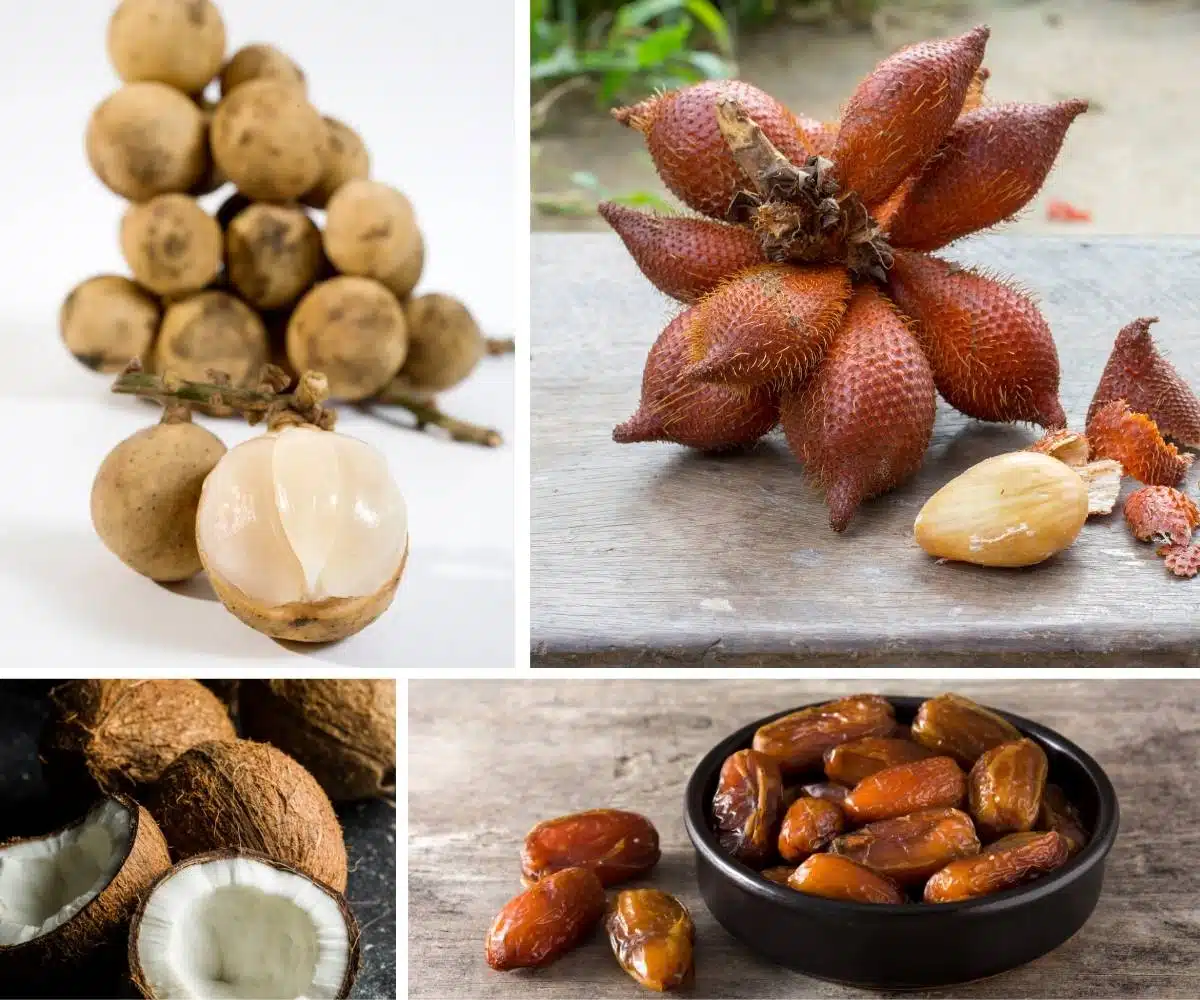
Brown may not be the most eye-catching fruit color, but it’s far more common and far more delicious than many people realize. From familiar favorites like pears, kiwis, chestnuts, and dates to lesser-known tropical fruits with earthy brown skins, these fruits offer an impressive range of flavors, textures, and nutritional benefits.
Some brown fruits hide vibrant flesh beneath their rustic exterior, while others are prized for their rich sweetness, creamy texture, or nutty flavor. In this article, we explore some of the most interesting and flavorful brown fruits from around the world.
How many have you tried — and are there any we missed? Let us know in the comments below!
1. Dates

Dates are a staple of Middle Eastern cuisine, but they’re prized worldwide for their taste and elevated levels of nutrients. There are various kinds, but the Medjool is the most highly prized as these fruits are the sweetest and stickiest. The best time to buy fresh dates is between November and January.
Dates can be enjoyed raw, perhaps dipped into thick creamy yogurt. They can also be used to add sweetness to baked goods, reducing the amount of refined sugar needed in recipes.
They are rich in protective antioxidants and a valuable source of potassium.
2. Hazelnuts

Although commonly referred to as nuts, hazelnuts are botanically classified as fruits, more specifically, they are hard-shelled dry fruits known as nuts. They are prized for their rich, buttery flavor, delicate sweetness, and smooth brown shell wrapped in a thin papery skin. When roasted, hazelnuts develop an even deeper aroma and a wonderfully toasty flavor that makes them especially popular in desserts and baked goods.
Hazelnuts are widely used in cakes, pralines, cookies, pastries, and creamy desserts such as this Blueberry, Hazelnut & Ricotta Cake or Hazelnut Panna Cotta with Caramel Sauce. They are also the key ingredient in chocolate-hazelnut spreads, including this healthier Homemade Vegan Nutella recipe. In addition to their rich flavor, hazelnuts are a good source of healthy fats, vitamin E, copper, and manganese.
3. Walnuts

Despite being commonly called nuts, walnuts are botanically classified as fruits, specifically the edible seeds of a drupe enclosed in a hard shell. Recognizable by their wrinkled brown kernels and rich, earthy flavor, walnuts have been valued for centuries in both sweet and savory cooking. Their slightly bitter, buttery taste becomes deeper and more aromatic when toasted.
Walnuts are widely used in cakes, cookies, breads, pastries, salads, dips, and pasta dishes, and they pair especially well with honey, chocolate, coffee, and blue cheese. They are also commonly added to granola, fruit salads, and breakfast bowls for extra texture and richness. In addition to their culinary versatility, walnuts are highly nutritious and are an excellent source of omega-3 fatty acids, antioxidants, copper, and magnesium.
4. Cacao
Cacao comes from a tropical fruit with a thick pod that holds rows of seeds surrounded by soft, slightly sweet pulp. The pulp can be eaten fresh, but the seeds (cacao beans) are fermented, dried, and processed into chocolate. Rich in naturally occurring compounds, cacao has long been valued for both its flavor and its stimulating, mood-lifting qualities.
5. Allspice

Allspice is the dried berry of the pimento tree, making it technically a fruit despite its common use as a spice. The small, brown berries have a warm, aromatic flavor that combines notes of cinnamon, clove, and nutmeg. They’re used whole or ground to add depth to both sweet and savory dishes.
6. Raisins

Brown raisins (aka sultanas) are sun-dried green grapes. Thomson’s Seedless is the most widely known variety.
You can use them in endless ways: in baked goods, added to porridge and cereals for a burst of sweetness, or in stews and tagines to add a little burst of sweetness.
In addition to health-giving antioxidants, they provide calcium and boron, which combine with vitamin D to help keep bones and joints healthy.
7. Jenipapo

The jenipapo is native to South and Central America. The oval-shaped fruit has a brown wrinkled shell of around 9 cm (3.5 inch) in length. This dull-looking fruit is unique because it contains a natural dye that’s dark purple or blue inside the fruit. This turns black when exposed to the air.
The flesh can’t be described as delicious, so it’s not often eaten fresh. Instead, it’s typically found in syrups, juices, and sweets.
Rich in iron, calcium, and vitamins B1, B2, B5, and C, jenipapo is used in traditional medicine to treat respiratory diseases and anemia.
8. Coconut
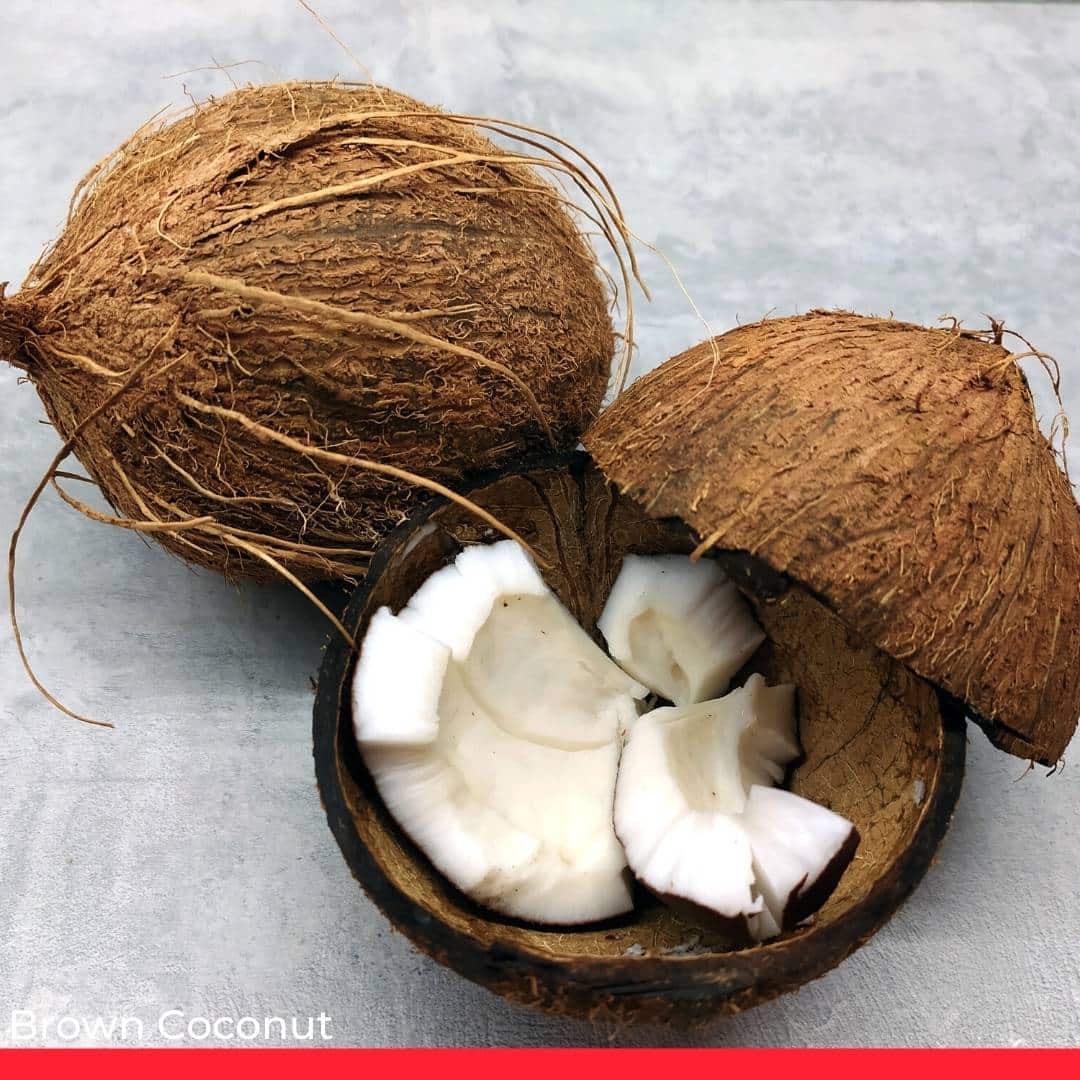
The brown exterior of the coconut, covered in thick fibers, conceals the brilliant white ‘meat’ inside, which is why we also included coconut among white fruits.
Sweet and crunchy, it can be enjoyed raw, grated into baked goods, added to stews and casseroles, or sliced into raw salads. If cracking fresh coconuts doesn’t appeal to you, use the dried grated variety you’ll find everywhere.
Coconut meat is high in minerals, with valuable amounts of manganese, iron, and copper. It’s also a good source of dietary fiber. Although it contains saturated fats, these are medium-chain triglycerides (MCTs), or medium-chain fatty acids, easily converted into energy by the body.
9. Pears

Brown pears are prized for their warm russeted skin, fragrant aroma, and sweet, delicate flavor. Their color can range from golden brown and cinnamon bronze to deep russet tones, giving them a rustic, autumnal appearance. Varieties such as Bosc pears are especially known for their elegant elongated shape and naturally textured skin.
Many brown pear varieties have firm flesh that holds its shape well during cooking, making them excellent for baking, roasting, poaching, and tarts. Their mellow sweetness pairs beautifully with spices like cinnamon, clove, nutmeg, and vanilla, as well as nuts, caramel, and cheese. Brown pears are equally delicious fresh and are often favored by people who enjoy pears with a slightly crisp texture.
In addition to their versatility in the kitchen, brown pears are low in calories and provide fiber, vitamin C, potassium, and copper.
10. Kiwis
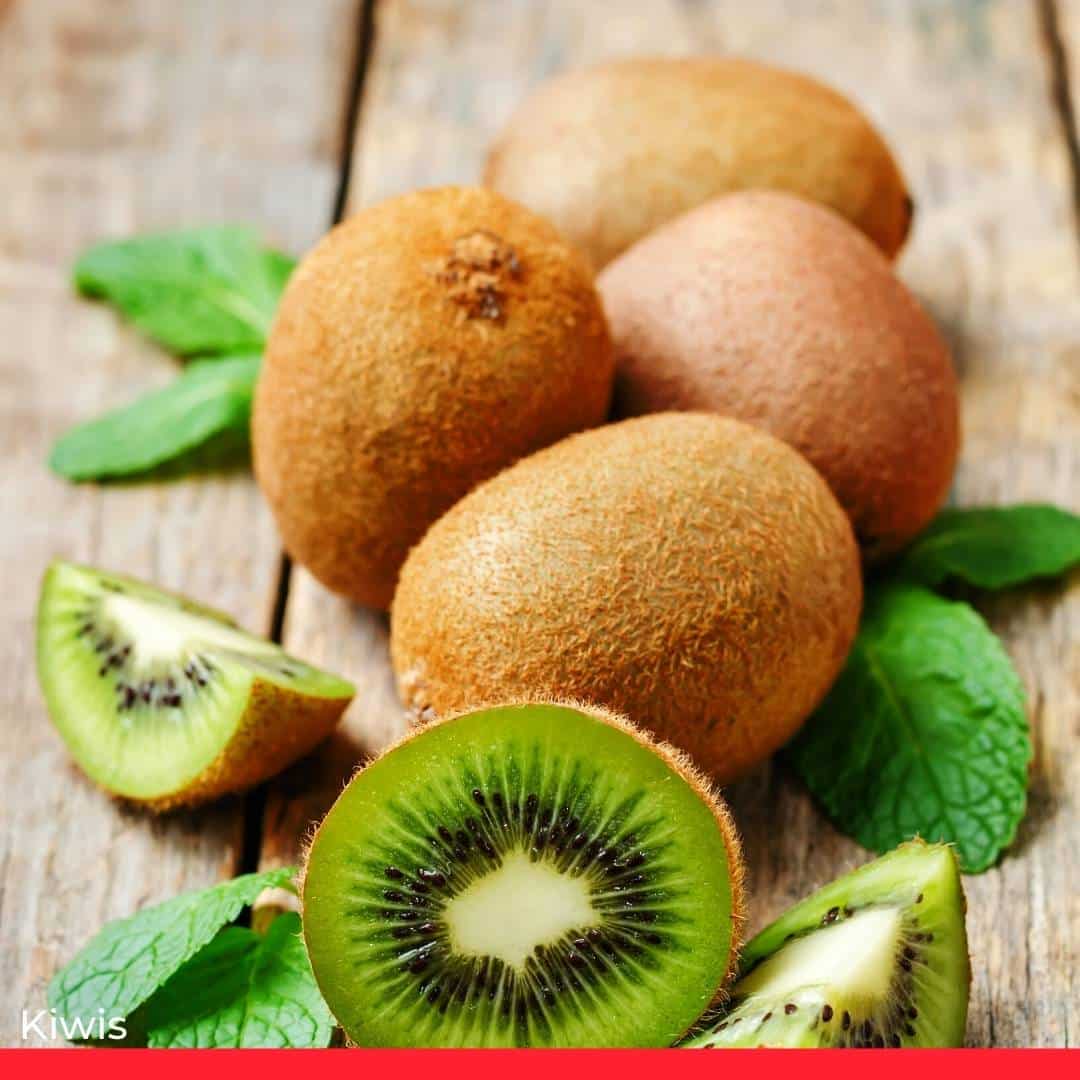
Behind the unpromisingly fuzzy, dull-brown exterior of the kiwi fruit lies the succulent, almost fluorescent-green flesh studded with tiny black seeds.
Remove the inedible skin, and kiwis make an ornamental addition to your fruit salad or breakfast cereal. But they’re more than that. They make fantastic smoothies, sorbets, and ice pops.
Although they’re typically used in sweet recipes, they also make exciting salsas and pair well with chicken and crab meat.
It’s no surprise that kiwis are an acclaimed superfood. Ounce for ounce, they have as much potassium as bananas, more vitamin C than oranges, and even more vitamin E than avocados.
11. Baobab

The sweet-tart, chalky-white pulp is hidden inside the dull brown shell of the baobab.
Packed with nutrients, this superfood is only available, outside Africa, in powder form. Add it to breakfast cereals, porridge, and energy bars, use it in shakes and smoothies, or add it to sauces at the end of cooking.
12. Chestnuts

Chestnuts are glossy brown tree fruits prized for their mildly sweet flavor and soft, starchy texture. Unlike most nuts, chestnuts are low in fat and become tender and creamy when roasted, developing a warm, earthy sweetness that is closely associated with autumn and winter cooking.
Chestnuts are widely used in both sweet and savory dishes, including soups, stuffings, purees, cakes, pastries, and festive desserts. Roasted chestnuts are a classic seasonal snack, while chestnut flour is commonly used in breads, pancakes, and traditional European pastries. Their delicate sweetness pairs especially well with vanilla, chocolate, mushrooms, sage, and warming spices.
Botanically, chestnuts are edible fruits enclosed in a spiky outer burr. In addition to their culinary versatility, they are a good source of fiber, vitamin C, manganese, and complex carbohydrates.
13. Pumpkins

This medium to large flattened pumpkin has a rind that changes from browny-green to browny-orange when ripe.
The Musquee de Provence is one of the few pumpkin varieties that can be enjoyed raw. It can also be cooked in all the same ways as other pumpkins.
The flesh is rich in vitamin A, beta-carotene, specific B-complex vitamins, and vitamin C. In addition, it’s a valuable source of dietary fiber, potassium, copper, and manganese. It also contains healthy omega-3 fatty acids.
14. Medlars

These slightly flattened fruits have skin that can be golden, light brown, or burnt umber. The dense, cream-colored acidy flesh harbors a few inedible seeds.
Medlar fruits darken as they mature, and the pulp becomes soft and sticky. This process is known as ‘bletting’, creating a consistency and flavor resembling apple butter with a sweet tang, cinnamon, vanilla, and citrus notes.
They can be enjoyed raw or included in sweet cooked recipes.
Medlar fruits are a fantastic source of vitamin C and iron.
15. Dukus

Small round duku fruits have fuzzy, leathery skin that is pale yellow when young and develops brown spots as it matures. The rind is also covered in fine hairs giving the fruits a fuzzy appearance.
Inside, the translucent white flesh is tender and juicy, with a sweet-sharp citrusy flavor. With their easy-to-peel skin and sweet, tangy flavor, dukus are typically enjoyed raw, as a snack, or in fresh desserts, smoothies, and shakes.
They’re a fantastic source of vitamins A, B, C, and E and contain some fiber as well as iron, phosphorus, potassium, and calcium.
16. Salak Fruits

These small exotic fruits are notable for their rind, which looks like snakeskin, their succulent, juicy flesh, and their luscious tropical flavor.
They’re typically eaten raw as a snack, and you’ll often find them sold by street vendors across Asia.
In Indonesia, salak is called’ The fruit of Memory’ as it contains high levels of potassium and pectin, both important for brain health and development.
17. Sapodilla

These fruits, with their unremarkable dull-brown exterior, go by many names worldwide: chikoo, zapotillo, sapota, naseberry, and zapote.
Sapodillas have a sweet taste and a soft grainy texture. They’re typically consumed raw. It’s essential to discard the seeds due to their tiny hooks, which risk getting stuck in your throat.
They’re a valuable source of fiber to stimulate the digestive tract. Rich in vitamin C, they also provide some vitamin A, iron, copper, and potassium. In addition, sapodillas are a useful source of tannins with anti-bacterial and anti-inflammatory properties.
18. Cupuacu

Although we don’t often come across it, Cupuacu is the national fruit of Brazil. As it’s related to chocolate, it’s worth learning more!
These oval fruits are a dusty mid-brown color. The dull rind conceals juicy white flesh, which is slightly chewy, with a flavor likened to chocolate with hints of fruits such as pineapple or melon.
Cupuacu is typically enjoyed raw or used to make juices and smoothies. It also has a range of uses as a chocolate substitute, though if you want to use it for baking, you’ll need to add plenty of sugar.
Cupuacu is high in antioxidants. In addition, it contains no caffeine but has a mildly stimulating effect, so it could provide a healthy mid-morning pick-me-up.
19. Kumato™

Of all the things we need in the world right now, you may say a brown tomato isn’t one of them.
Yet these heritage fruits, which reach peak sweetness when their skin becomes dark brown with a greenish tinge, have an intriguing, complex sweetness. So they do have something other than novelty to offer.
The Kumato™ tomato provides plenty of potassium, magnesium, and vitamins A and C. The potassium and the fruit’s vitamin B can help reduce cholesterol and lower blood pressure.
20. Chocolate Habaneros

Be warned! These dark brown beauties are far hotter than most jalapenos. They have a unique earthy fruitiness that works fantastically in smoky Mexican mole sauces or other rich salsas.
They also pair well with apricots and raisins to create fiery sweet sauces.
You won’t be eating huge quantities, so the nutrients aren’t that important. Still, it’s good to know they contain some vitamin C and are fat- and cholesterol free.
21. Tamarind

Tamarind fruit looks like bean pods, with a shell ranging from cinnamon to clay in color. When young, the fruit is tender and sour. As it matures, it becomes sweeter and less acidic. As a result, tamarind is exceptionally versatile. In addition to the fresh fruit, it’s used in soups, sauces and chutneys.
Tamarind contains many nutrients that help prevent high blood pressure and cardiovascular diseases. These include vitamins C, K, B6, B5, folate, and calcium.
22. Langsat
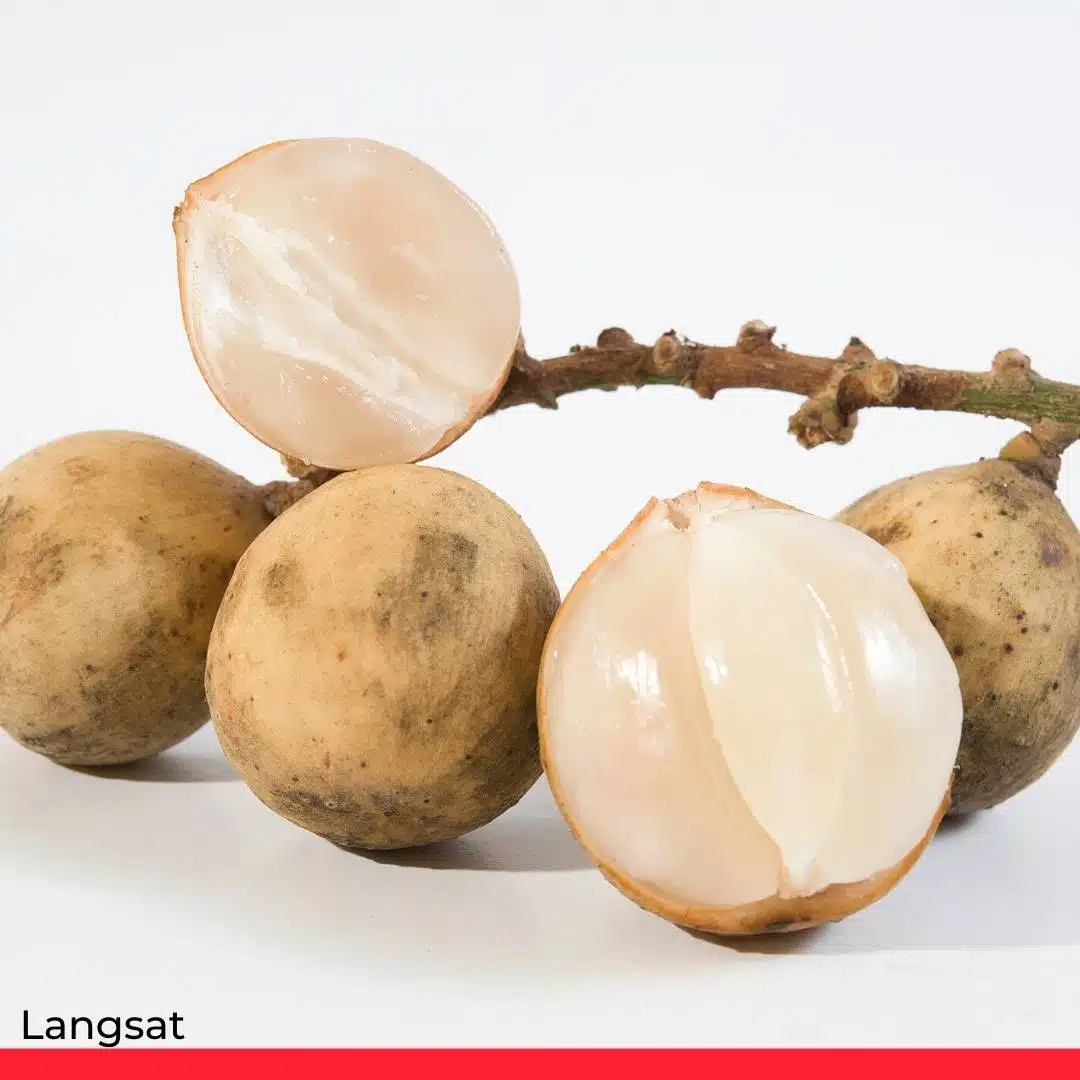
Langsats are small egg-shaped brown fruits with white flesh. They taste bitter-sweet, something like a mild grapefruit.
They are typically enjoyed raw, perhaps added to salads, or juiced. They can also be added to puddings, baked goods, and jellies and make excellent preserves.
They’re high in vitamins A and C and have a reputation for keeping the skin looking youthful and radiant.
23. Brown Turkish Figs

As these figs ripen, they turn purplish-brown. The flesh is a gorgeous contrasting orange-pink. They have a milder flavor than the more common Black Mission figs.
Like all figs, they’re packed with nutrients, including iron, calcium, magnesium, phosphorus, potassium, and zinc, plus vitamins A and C. In addition, they famously promote digestive and heart health and help manage blood sugar levels.
24. Burmese Grapes
Burmese grapes grow in tight clusters of small, round fruits, giving them a naturally decorative look. Beneath the thin skin, the flesh is juicy and pleasantly sweet-tart, with a refreshing balance that makes them easy to enjoy fresh. Their bright flavor also works well in juices and simple fruit preparations.
25. Guapinol Fruit
Guapinol is a Central American fruit with a hard outer shell that protects a dry, powdery pulp inside. The texture is unusual (almost flour-like), but the flavor is surprisingly pleasant, with notes of vanilla and banana. It’s often eaten fresh or mixed into milk, and can also be used to enrich baked goods with a natural sweetness.
Related: 25 Brown Foods to Add to Your Diet

Related: 19 Stunning Blue Fruits

Related: 20 Red Fruits You Should Try Out

Related: 20 Tasty White Fruits

