
11 Types of Millet: Flavors, Textures, and How to Use Them
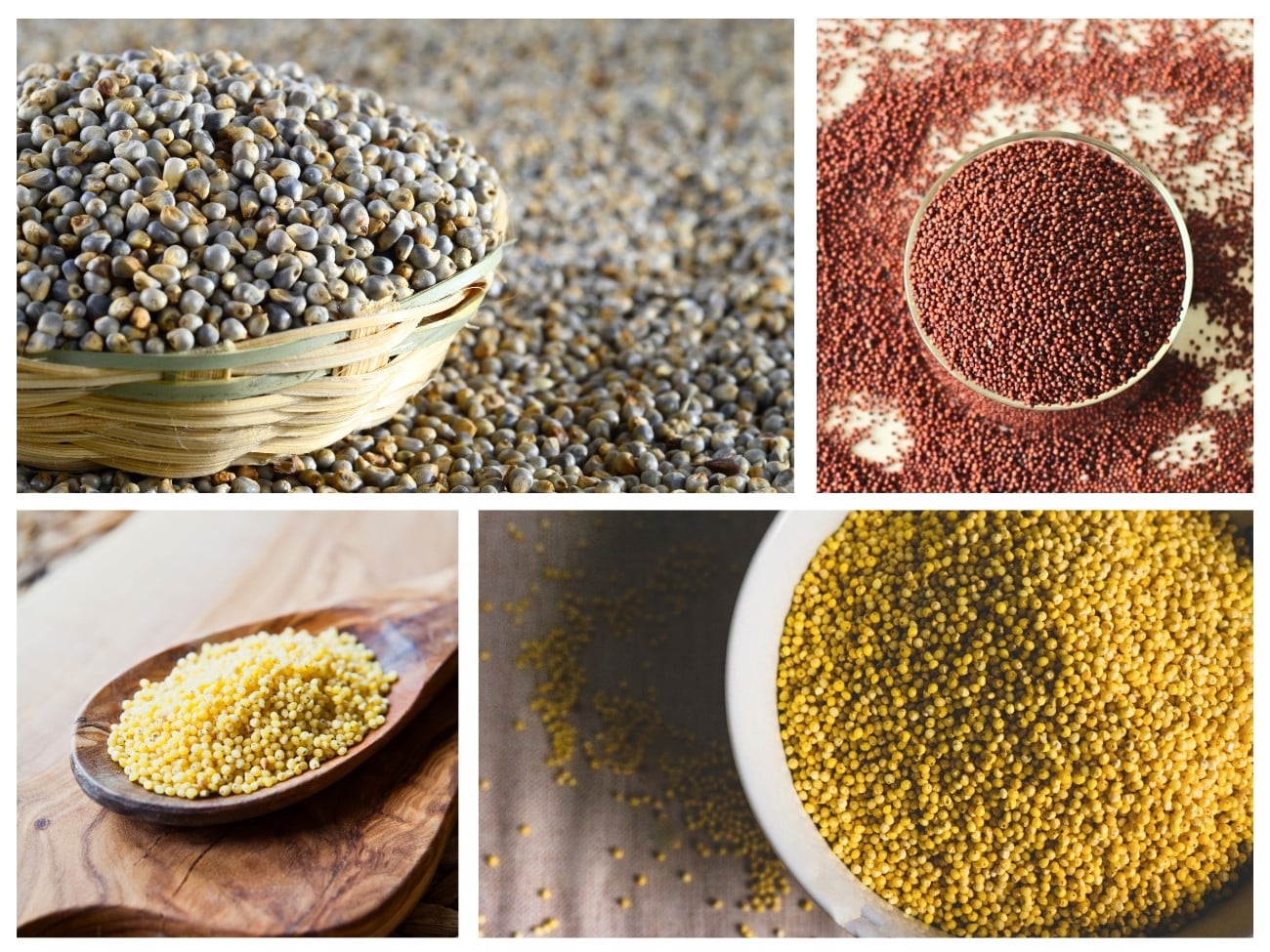
Millet isn’t a single grain, but a diverse group of cereal crops with deep roots in African and Asian food traditions. For centuries, these grains have been turned into everyday meals, from flatbreads and porridges to steamed dishes and fermented drinks.
For cooks, the most useful differences come down to flavor, texture, and the form you buy. Some millets shine as flour, while others are better introduced through a bowl of cooked grains. This guide explores 11 types, moving from versatile staples to regional specialties and lesser-known West African crops.
In our interview with pastry chef Ruchit Harneja, published in 2020 when he was at Musaafer in Houston, he singled out millet as a favorite ingredient:
“Millet has become my treasured ingredient to work with.”
Harneja described his interest in bringing renewed attention to grains such as bajra (pearl millet), jowar (sorghum), ragi (finger millet), and kangni (foxtail millet)—a reminder that the possibilities extend well beyond a single grain or preparation.
What counts as millet? The term covers several cereal species rather than one botanical genus. FAO’s broad grouping also includes sorghum (jowar), teff, and Job’s tears. This is a guide to 11 selected types, not an exhaustive list of every grain included under that wider umbrella.
Types of Millet at a Glance
| Type | Flavor and texture | Form to look for | Best uses |
|---|---|---|---|
| Pearl millet (bajra) | Nutty, gently sweet, and hearty | Flour or grain prepared for cooking | Bajra roti, khichdi, and porridge |
| Finger millet (ragi) | Earthy and almost malty | Flour | Ragi porridge, ragi malt, rotis, and dosas |
| Proso millet | Mild and slightly sweet; fluffy or creamy depending on preparation | Dehulled grain | Pilafs, grain bowls, and breakfast porridge |
| Foxtail millet | Light, gently sweet, and fine-grained | Dehulled grain | Upma, porridge, and millet-based idli |
| Barnyard millet | Mild and adaptable, with a little bite | Dehulled grain | Pulao, khichdi, and kheer |
| Little millet | Mild, slightly nutty, and fine-textured | Dehulled grain | Upma, idli, and millet versions of curd rice |
| Kodo millet | Mild, with a comparatively firm, chewy texture | Dehulled grain or flour | Pilafs, dosa, and rice-style dishes |
| Browntop millet | Mild, with a slightly chewy bite | Dehulled grain or flour | Upma, porridge, and flatbreads |
| White fonio | Delicate, lightly nutty, and couscous-like | Dehulled, ready-to-cook grain | Steamed accompaniments, salads, and porridge |
| Black fonio | Nutty and earthy | Grain or flour, where available | Porridge, couscous-style dishes, and traditional brewing |
| Guinea millet | Historical accounts include an almost bitter taste | — | Included for its heritage significance; see the entry below |
These descriptions are starting points, not fixed results. Cooking method matters: using more liquid and stirring frequently can produce a softer, creamier millet preparation, while other methods yield separate, fluffy grains. Follow instructions for the particular product and dish rather than applying one water ratio to every millet.
Bajra, Ragi, and Other Versatile Staples
1. Pearl Millet (Bajra)
Best for: Hearty flatbreads, bajra khichdi, and substantial porridges.
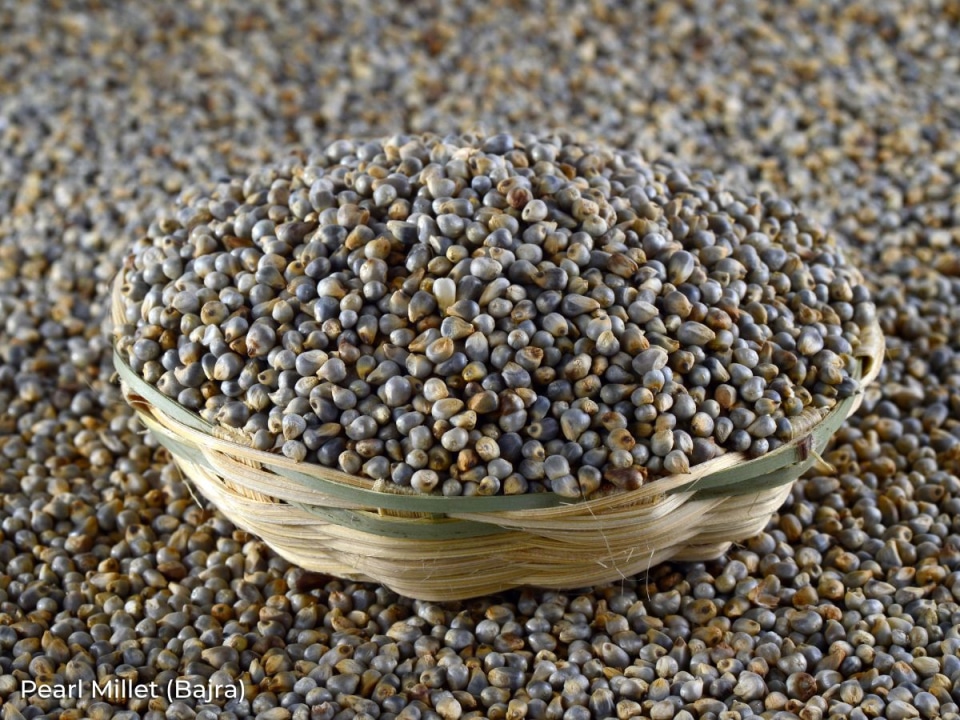
Pearl millet is a staple across India, West Africa, and the Sahel. Its small, rounded grains range from pale ivory to grayish tones, with a nutty, gently sweet flavor. In Indian cooking, its flour is especially associated with bajra roti, a hearty flatbread eaten in regions including Rajasthan and Gujarat.
The grain has a different role in bajra khichdi, where it is cooked with moong dal and spices into a comforting, savory meal. A little ghee, yogurt, or pickle makes a natural accompaniment. Choose flour for the flatbread and grain prepared for cooking for the khichdi.
Freshness is particularly important with bajra flour, which can develop bitterness as its fats deteriorate after milling. Buy quantities you will use regularly, follow the supplier’s storage instructions, and choose freshly milled flour when available.
2. Finger Millet (Ragi)
Best for: Earthy porridges, ragi malt, rotis, and dosas.
Finger millet takes its name from the finger-like arrangement of its seed heads. It has an important place in both eastern African and southern Asian agriculture.
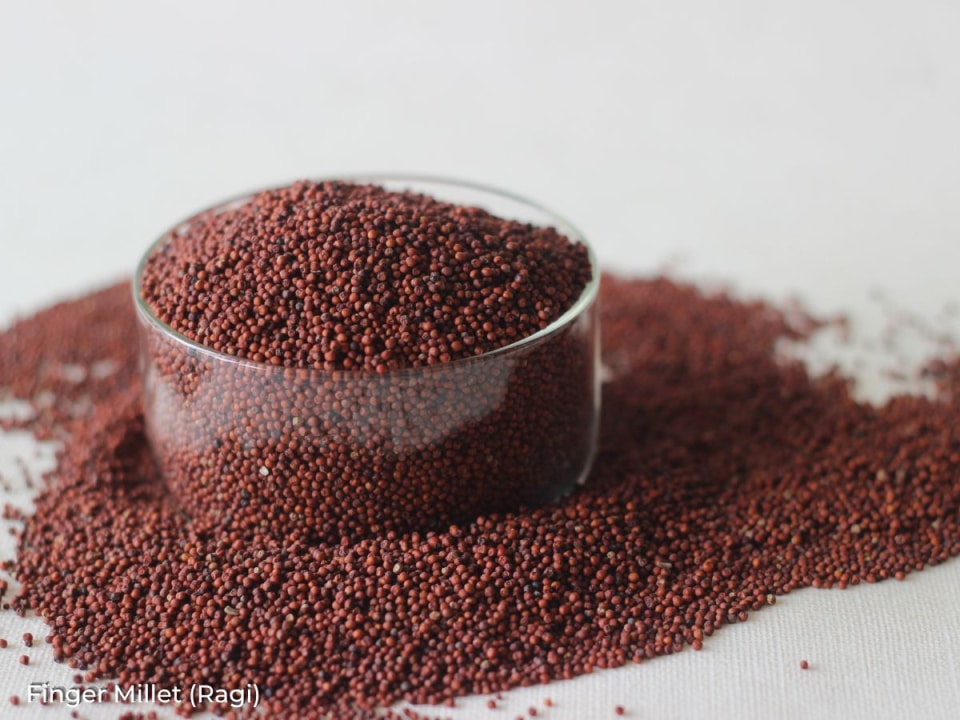
Known as ragi in India, it has a distinctive earthy, almost malty flavor. For many familiar preparations, including porridges, rotis, and dosas, the ingredient to buy is finger millet flour. Its flavor is more noticeable than that of the gentler millets, making it a good choice when you want the grain itself to contribute character.
A straightforward introduction is ragi malt, also called ragi java: a drink or thin porridge made by cooking ragi flour with water. Sweet versions may include milk, jaggery, and cardamom; savory versions can be cooled and mixed with buttermilk. Fermentation is not required for these common preparations.
3. Proso Millet
Best for: Everyday pilafs, grain bowls, and creamy breakfast porridge.
Also known as common millet or broomcorn millet, proso has small, round grains and a mild, slightly sweet flavor. Its gentleness makes it an adaptable choice for meals where vegetables, spices, or a sauce should take the lead.
Texture is where this pantry staple becomes particularly useful. Millet can be cooked into a fluffy accompaniment or softened with more liquid into breakfast porridge. For savory dishes, cooking it in broth adds depth; lightly toasting it before adding liquid brings out a nuttier flavor.
Proso also appears in birdseed mixes, but those are a separate product. For the kitchen, choose grain specifically sold for human consumption.
4. Foxtail Millet
Best for: Upma, porridge, and millet-based idli.
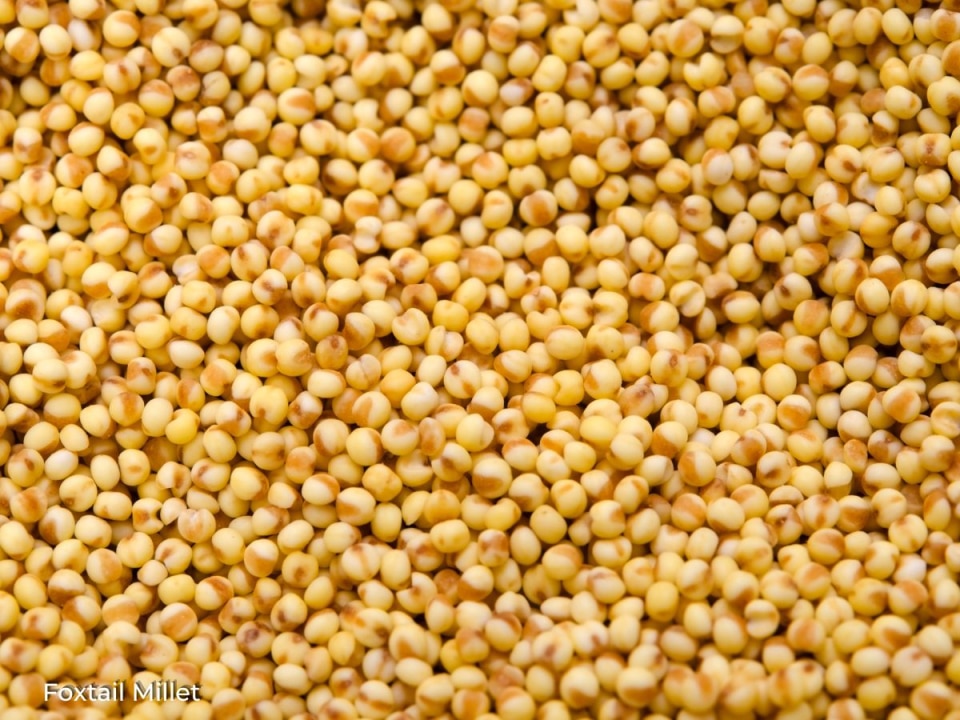
Foxtail millet takes its name from its bristled, brush-like seed heads. Its tiny, pale-yellow grains have a gently sweet flavor and a fine cooked texture.
In South Indian cooking, it appears in upma, idli, and porridge. These offer different ways to explore the grain, from a savory preparation to a soft breakfast dish or a millet-based batter. An upma recipe written specifically for foxtail millet is a useful starting point.
Regional Millets in Indian Cooking
Millet’s uses in Indian cooking extend from savory snacks to sweet puddings. In Gujarati cooking, millet flour appears in some preparations of khakhra, a thin, crisp snack cooked on a griddle. Sweet applications include millet versions of payasam, the milk-based pudding explored in our South Indian food guide
5. Barnyard Millet
Best for: Rice-style dishes, fasting preparations, khichdi, and kheer.
Barnyard millet refers to related crops within the genus Echinochloa, including Indian and Japanese barnyard millet. The edible grains are small and mild, with a little chew that works well in pilafs, khichdi, and porridge.
In parts of India, it has a particular association with religious fasting. Some traditions permit it when certain other cereals are avoided, although practices vary. This is a cultural dietary distinction, not a statement that barnyard millet is botanically something other than a cereal.
Its uses extend to sweet dishes, too. Barnyard millet kheer cooks the grains with milk, sugar, and cardamom into a creamy pudding, a different introduction from the savory rice-style preparations.
6. Little Millet
Best for: Fine-textured upma, idli, and millet versions of curd rice.
Little millet lives up to its name, with very small, pale grains and a mild, slightly nutty flavor. Its fine texture suits preparations such as upma, pulao, and idli, where it sits comfortably alongside other ingredients without dominating them.
One especially useful application is a millet version of curd rice. Cooked and cooled little millet is combined with yogurt, then finished with a tempering of ingredients such as mustard seeds and curry leaves. Chef Sahajan’s version, published by the Chefs’ Manifesto, also includes ginger, pomegranate, and grapes.
For a first attempt, choose either a savory upma or a yogurt-based preparation. They offer contrasting ways to get to know the grain without requiring a complicated recipe.
7. Kodo Millet
Best for: Pilafs, dosa, and dishes where you want a little more bite.
Kodo millet offers a useful textural contrast to softer millet preparations. Once its tough outer husk has been removed, the small grains cook to a comparatively firm, chewy texture. Brown rice is a helpful reference point for that bite, while the flavor remains mild and slightly nutty.
It works well in pilaf-style dishes and can also be used in millet-based dosa preparations. Buy grain already processed for cooking, and follow a recipe appropriate to the form you have purchased.
Food-safety note: Fungal contamination of kodo millet has been linked to poisoning. Buy from a reliable food supplier, keep the grain dry, and discard moldy or damaged supplies. Do not rely on cooking to make mold-contaminated grain safe, because many fungal toxins survive food processing.
8. Browntop Millet
Best for: Upma, porridge, and flour-based flatbreads.
Browntop millet has strong regional roots in southern India, including parts of Karnataka and Andhra Pradesh. Its small grains have a mild flavor and a slightly chewy bite, with culinary uses that overlap with little and kodo millet.
The grain can be cooked into upma or porridge, while the flour is used in flatbreads. Beyond the kitchen, the crop has been valued for its ability to grow in dry conditions and relatively poor soils.
Fonio and Guinea Millet: West African Grains
9. White Fonio
Best for: Delicate grain accompaniments, couscous-style dishes, and salads.
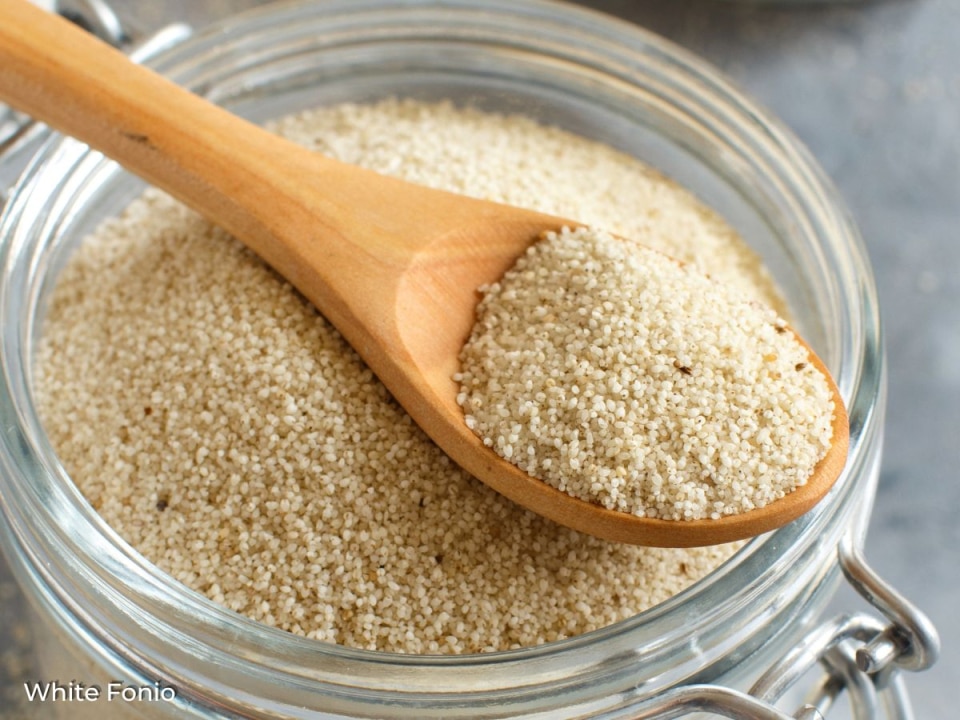
White fonio, Digitaria exilis, is a West African cereal grown in countries including Guinea, Mali, Nigeria, and Senegal. Its exceptionally small grains are one of its most distinctive features.
Cooked fonio has a delicate, lightly nutty flavor and a fine texture often compared with couscous. It can be steamed and served as an accompaniment or cooked into porridge. The couscous comparison describes its texture on the plate; fonio is a cereal grain in its own right.
It also lends itself to fresh grain salads. Yolélé’s fonio-and-mango preparation, for example, combines cooked grains with cucumber, herbs, and a lemon-and-ginger dressing.
Look for dehulled, ready-to-cook fonio. Removing the husks from the tiny harvested grains is labor-intensive, so a prepared retail product is the practical choice for home cooking.
10. Black Fonio
Best for: Traditional porridge and couscous-style preparations, where available.
Black fonio, Digitaria iburua, is a separate species from white fonio, not simply a darker variety of the same grain. FAO identifies Nigeria and Niger among its producing countries, with cultivation also recorded in Benin, Cameroon, Côte d’Ivoire, and Togo.
Its flavor is nutty and earthy, and its culinary uses overlap with white fonio: porridges, couscous-style preparations, and flour blended with other flours for bread. It also has a place in traditional brewing.
Availability is the more useful distinction for most readers. Slow Food notes that black fonio can be difficult to find even in markets within its producing regions. White fonio is therefore the more practical starting point for most home cooks exploring these grains.
Millet Recipes to Try
A bag of millet can lead to very different dishes. These recipes explore three possibilities: combining the grain with rice, cooking its flour into a savory accompaniment, and using it as the base of a fermented drink.
Persian Layered Rice with Millet, Nuts & Fruits
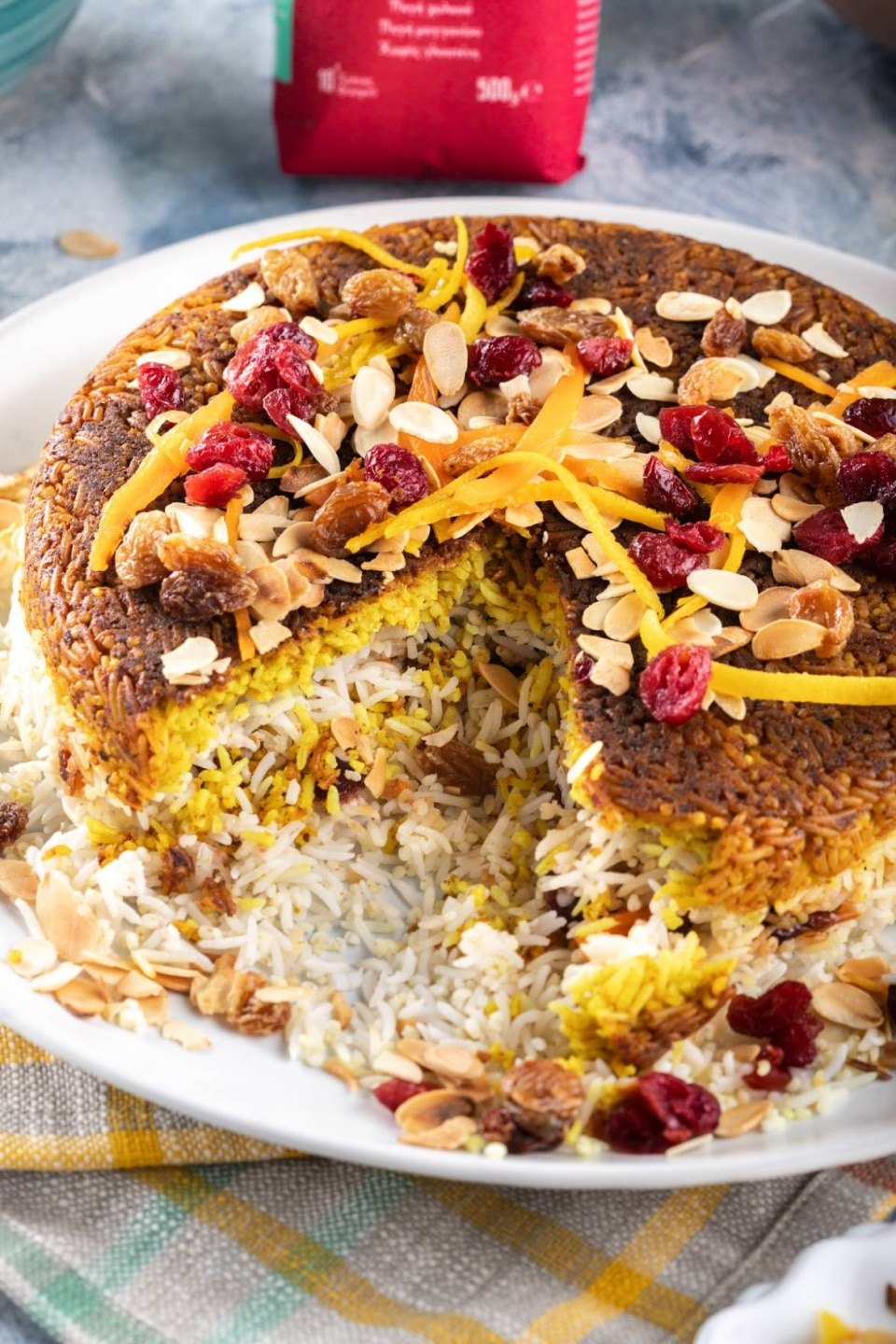
Chef Giorgos Tsoulis’s Persian layered rice with millet, nuts, and fruits combines basmati and millet with toasted almonds, cranberries, sultanas, and warm spices. Caramelized orange peel and carrot add sweetness and citrus notes, while a crisp yogurt tahdig forms the base.
It is a festive way to explore millet alongside another grain, rather than treating it simply as a substitute for rice.
Akoumé
For a flour-based preparation, try akoumé, a Togolese staple served with stews and sauces. Flour and water are stirred over heat until they form a thick paste, which is portioned and served with accompaniments such as chicken, beef, or fish sauce.
Our recipe allows millet flour, other flours, or a mixture. Choosing the millet-flour version offers a different introduction from cooking the grain whole.
Turkish Boza

Feyza Kirmaci’s Turkish boza gives millet another role: a thick fermented drink with a sweet, gently tangy flavor. The recipe can be made with millet and optional rice, although it also offers bulgur as an alternative.
Served chilled with cinnamon and roasted yellow chickpeas, boza is an interesting project for cooks who want to explore millet beyond breads, porridges, and savory grain dishes. Allow time for fermentation rather than treating it as a quick drink to prepare and serve.
Millet in West African Cooking
Millet’s versatility comes through in both savory and sweet Senegalese dishes. Thiere is a millet couscous served with meat and vegetable sauce, while ngalakh combines millet semolina with peanut butter and baobab juice. Another preparation, lakh, is a sweet millet porridge topped with buttermilk.
In Ghana, millet appears in brukina, a milk-based drink served cold. In northern Benin, millet or sorghum porridge is served alongside ata, a bean-flour cake. These examples show how millet can be the main ingredient in one preparation and an accompaniment in another.
