
23 Types of Rice and When to Use Them
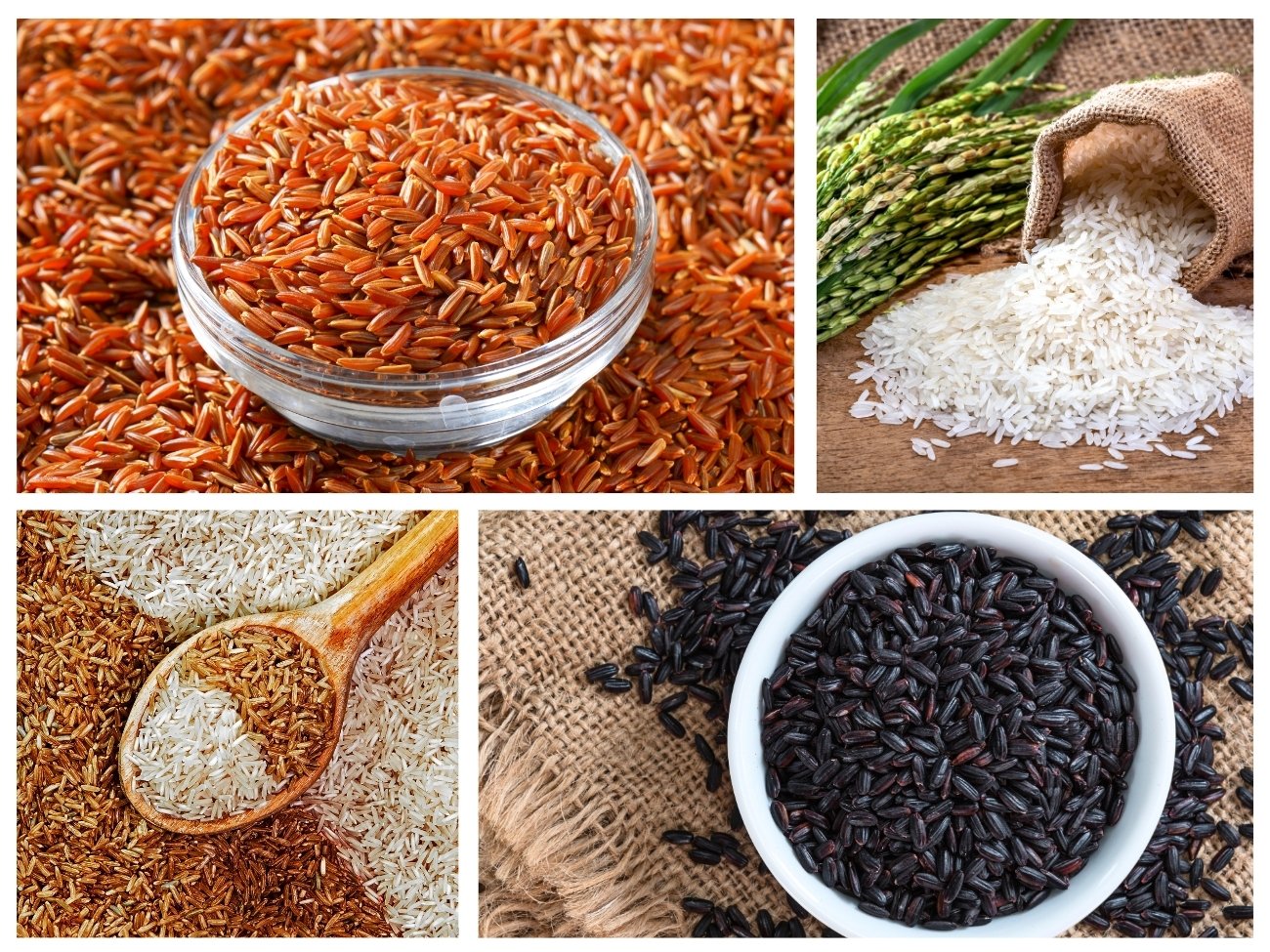
Rice feeds more people on this planet than any other crop, and yet most home cooks only ever buy two or three kinds without realizing just how much variation exists beyond the supermarket shelf.
Grain length, starch content, and growing region all shape how each variety behaves in the pot, whether that means the fluffy, separate grains of basmati, the clingy creaminess of risotto rice, or the deep purple hue of heirloom black rice.
This guide covers 23 varieties from around the world, from everyday staples to regional specialties tied closely to a single valley or province, with a look at how each one tastes, cooks, and is traditionally used.
1. Basmati Rice
Best for: biryani, pilaf, curries, Persian and Middle Eastern rice dishes
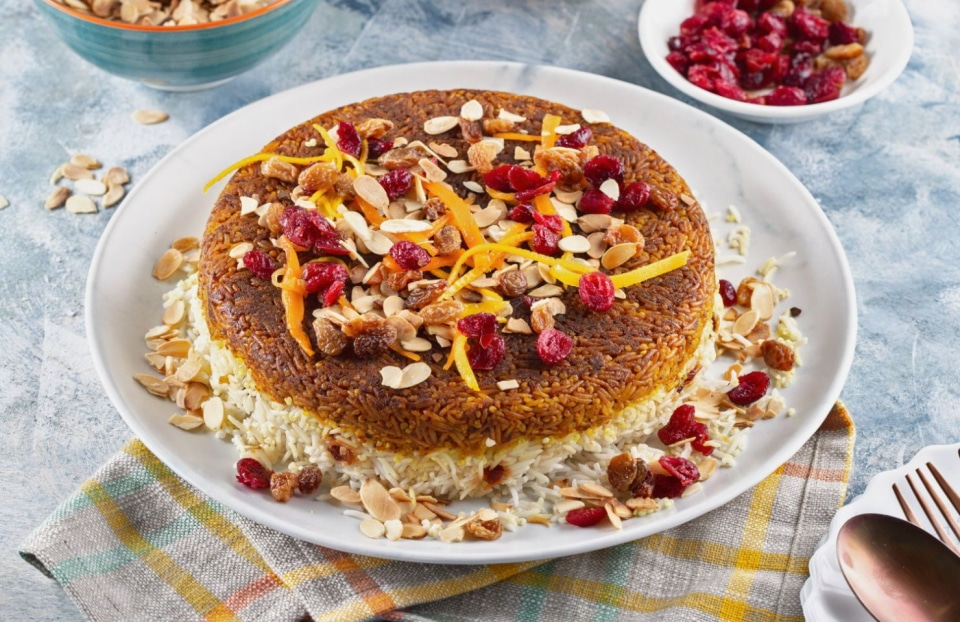
Basmati is the gold standard of aromatic long-grain rice, grown primarily in the foothills of the Himalayas across India and Pakistan, where the cooler climate and mineral-rich soil contribute to its signature fragrance. Its name translates roughly to “fragrant,” and that aroma, often compared to popcorn or toasted nuts, comes from a naturally occurring compound that intensifies with aging.
When cooked, the grains elongate dramatically and stay separate and fluffy rather than clumping, which makes it the rice of choice for biryani, pilaf, Middle Eastern dishes, sides and any recipe where texture and presentation matter. Aged basmati, sometimes rested for a year or more before sale, develops an even more pronounced aroma and firmer bite than fresher harvests.
2. Jasmine Rice
Best for: Thai curries, stir-fries, fried rice, Southeast Asian dishes

Jasmine rice is Thailand’s signature long-grain variety, prized for a delicate floral aroma that intensifies as it cooks, giving the whole kitchen a faint perfume. Unlike basmati, the grains stay softer and slightly sticky once cooked, clinging together just enough to make eating with chopsticks easy without turning gluey.
It’s the everyday rice across Thai, Vietnamese, and broader Southeast Asian cooking, served as fried rice, alongside curries, stir-fries, and slow-cooked meats where its subtle sweetness rounds out bolder flavors. True Thai jasmine, grown mainly in the northeastern Isaan region, is considered the benchmark, though the variety is now cultivated commercially in the U.S. and elsewhere.
3. Arborio Rice
Best for: risotto, rice pudding, creamy soups, baked rice dishes

Arborio is the most widely recognized Italian risotto rice outside Italy, a short, plump grain with a high starch content concentrated in its center that releases slowly during cooking, creating the characteristic creamy, slightly al dente texture risotto is known for. Grown primarily in the Po Valley of northern Italy, it has a mild, neutral flavor that absorbs the broth, wine, and other ingredients it’s cooked with rather than asserting much character of its own. Beyond risotto, it works well in rice pudding, soups, sides, and other dishes that benefit from its creamy starch release.
Traditionally, risotto made with Arborio is stirred regularly throughout cooking to encourage the gradual release of starch and develop its signature creamy consistency.
4. Japanese Short-Grain Rice
Best for: sushi, onigiri, rice bowls, and everyday Japanese meals
Japanese short-grain rice, most famously represented by the cultivar Koshihikari, is defined by its high starch content, glossy sheen, and the way its grains cling together just enough to be eaten neatly with chopsticks without turning to mush. Its flavor is subtly sweet, with a soft, slightly chewy texture that’s considered ideal for sushi, where seasoned vinegar is folded into the warm rice, as well as for plain steamed rice served alongside Japanese meals.
Koshihikari in particular is regarded as one of the finest rice cultivars in the world, grown most famously in Niigata Prefecture, where the climate and water quality are considered especially well suited to it. Outside Japan, similar short-grain japonica varieties are now grown in California and elsewhere to meet global demand for sushi-grade rice.
5. Glutinous (Sticky) Rice
Best for: black rice pudding, coconut desserts, sweet sticky-rice dishes

Despite the name, glutinous rice contains no gluten; the term refers instead to its high amylopectin starch content, which makes the cooked grains intensely sticky and prone to clumping into a cohesive mass. It’s a staple across Southeast Asian and Southern Chinese cuisine, used in dishes like Thai sticky rice with mango, Lao sticky rice eaten by hand, and Chinese zongzi, the bamboo-leaf-wrapped rice dumpling. Its texture also makes it ideal for appetizers, desserts and confections, where its stickiness helps hold fillings and shapes together. Properly cooked glutinous rice requires soaking before steaming, a step that distinguishes its preparation from most other rice varieties on this list.
6. Bomba Rice
Best for: paella and other Spanish rice dishes where the grains should stay separate

Bomba is the traditional rice of Spanish paella, prized above all for its remarkable ability to absorb liquid, up to three times its volume, without becoming mushy or losing its structure. The grain is short and round, with a neutral flavor that takes on the saffron, broth, and other flavors of the paella it’s cooked in rather than competing with them.
Unlike risotto rices, Bomba doesn’t release much starch during cooking, which is precisely why paella stays loose and separate rather than creamy. Grown primarily in Valencia and Murcia, true Bomba rice carries Denominación de Origen status and commands a premium over more common paella rice substitutes.
7. Carnaroli Rice
Best for: risotto, especially when you want a creamy texture with a firm bite
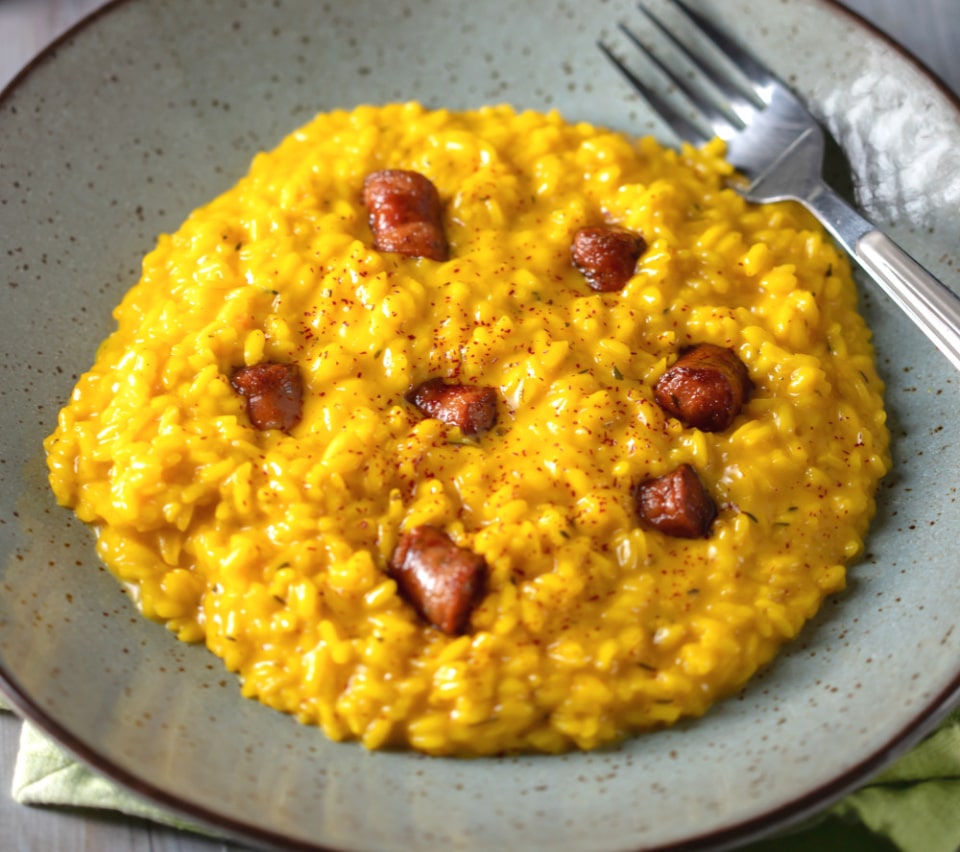
Often called the “king of risotto rice” by Italian chefs, Carnaroli has an even higher starch content than Arborio and a firmer grain structure that holds its shape better under the long stirring and gradual liquid additions risotto requires. The result is a final dish with a more pronounced, structured bite, slightly more resistant to overcooking than Arborio, which makes it the preferred choice in professional Italian kitchens.
Its flavor is similarly mild and neutral, designed to carry whatever flavors are built into the dish rather than compete with them. Carnaroli is grown in smaller quantities than Arborio, which keeps it slightly more expensive and harder to find outside well-stocked Italian grocers.
8. Calrose Rice
Best for: rice bowls, Japanese-American dishes, Hawaiian dishes, casual sushi
Calrose is a medium-grain rice developed in California in the mid-20th century, bred specifically to suit the state’s growing conditions while delivering a versatile, slightly sticky texture useful across a wide range of cuisines. It’s neither as fluffy as long-grain rice nor as sticky as short-grain sushi rice, sitting comfortably in between, which has made it a default choice for everyday cooking, sushi at the more casual end, and a wide variety of Japanese-American and Hawaiian dishes.
Its mild flavor and reliable texture have made it one of the most commercially significant rice varieties grown in the United States. California now produces the majority of America’s rice using Calrose and closely related cultivars.
9. Black Rice (Forbidden Rice)
Best for: grain salads, rice bowls, colorful side dishes, Asian desserts
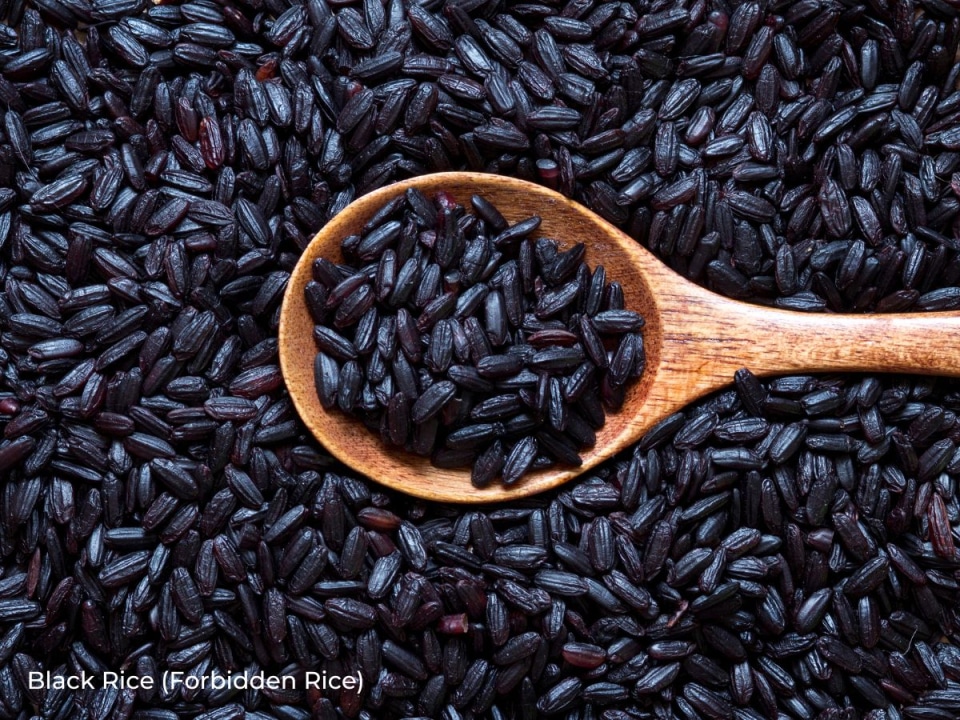
Black rice gets its dramatic name from a legend claiming it was once reserved exclusively for Chinese emperors and forbidden to common people, a story that’s added considerable mystique to its modern marketing even if the historical details are murky. The grain turns a deep purple once cooked, with a chewy texture and a flavor that’s nutty and slightly sweet, somewhere between brown rice and wild rice in character.
Its deep color comes from a particularly high concentration of anthocyanins, the same antioxidant pigments found in blueberries and other dark fruits, giving it one of the more distinctive nutritional profiles of any rice on this list. It’s used in both savory dishes and desserts across China and Southeast Asia, and its striking color makes it a popular choice for visually dramatic grain salads in Western cooking.
10. Vialone Nano Rice
Best for: creamy risotto, risotto all’onda, seafood risottos
Vialone Nano is a short, rounded risotto rice grown specifically around Verona in northeastern Italy, where it’s the traditional choice for the region’s wetter, looser style of risotto known as risotto all’onda. It absorbs liquid exceptionally well while still releasing starch at a controlled rate, producing a risotto that’s notably creamier and more fluid than versions made with Arborio or Carnaroli.
Its flavor is mild with a faint sweetness, and its shorter cooking time compared to other risotto rices makes it a practical choice for quicker preparations. Vialone Nano also has DOP (protected designation of origin) status in parts of Italy, tying its identity closely to its specific growing region.
12. Wuchang Rice
Best for: Chinese home-style meals, stir-fries, braised dishes, rice bowls, and dishes where you want soft, slightly sticky rice
Wuchang rice comes from the Wuchang area of Heilongjiang in northeastern China, a region known for its fertile black soils, cool climate, and long growing season. The rice is typically a short- to medium-grain japonica type, prized for its naturally fragrant aroma, soft texture, and gentle sweetness. Once cooked, the grains are tender and slightly sticky rather than fluffy and separate, making it especially well suited to everyday Chinese meals where rice is served alongside stir-fries, braised meats, vegetables, and soups. Wuchang rice is highly regarded in China and is often considered one of the country’s premium regional rices.
12. Kerala Matta Rice (Rosematta)
Best for: Kerala fish curries, coconut-based curries, thoran, vegetable stews
Kerala Matta, also known as Rosematta or Palakkadan Matta rice, is a traditional coarse-grain rice closely associated with Kerala, particularly the Palakkad region. Easily recognized by its reddish bran and plump grains, it is traditionally parboiled in the husk before milling, a process that helps the grain retain more nutrients while giving it its characteristically firm texture.
Cooked Matta rice has a robust, earthy flavor and a substantial, chewy bite that sets it apart from softer aromatic varieties such as basmati or jasmine. It’s a staple of Kerala cooking, particularly alongside spicy fish curries, coconut-based vegetable dishes, thoran, and hearty stews, where its pronounced flavor and texture stand up beautifully to rich, highly seasoned food.
13. Calasparra Rice
Best for: paella, arroz caldoso, and other broth-rich Spanish rice dishes
Calasparra is a short-grain Spanish rice grown specifically in the Calasparra region of Murcia, where it carries its own Denominación de Origen designation tied to the area’s particular growing conditions. Like Bomba, it absorbs large amounts of liquid without breaking down, making it well suited to paella and other Spanish rice dishes that depend on grains staying intact and separate through a long simmer.
Its flavor is mild and slightly nutty, and its texture firms up nicely at the center while staying tender at the edges when properly cooked. Calasparra and Bomba are often used interchangeably, though some Spanish cooks consider Calasparra the more traditional, terroir-specific choice.
14. Carolina Gold Rice
Best for: Lowcountry dishes, Charleston red rice, Hoppin’ John, pilafs
Carolina Gold has a genuinely significant place in American culinary history: it played a central role in the cuisine and economy of the Lowcountry, becoming the foundation of Southern rice cookery, including dishes like Charleston red rice and hoppin’ john. The grain is medium in length with a mild, slightly nutty flavor and a tender, fluffy texture once cooked, less sticky than short-grain varieties but softer than basmati.
Nearly extinct by the 20th century after the Southern rice industry collapsed, it was revived through targeted seed preservation efforts starting in the 1980s and has since become a point of pride for heritage grain advocates and Southern chefs alike. Its golden hue before milling, visible on the stalk, gives the variety its name.
15. Bhutanese Red Rice
Best for: curries, vegetable dishes, hearty rice bowls, everyday side dishes
Bhutanese red rice is a semi-milled, short-to-medium grain rice grown at high altitude in the Himalayan kingdom of Bhutan, where it’s one of the country’s most important staple foods. Its reddish-pink hue comes from a retained bran layer, and the cooked grain has a soft, slightly sticky texture with a mild, nutty flavor that cooks faster than most other partially milled rices. Because it’s only semi-milled rather than left fully intact like brown rice, it retains more nutrients than white rice while cooking in a fraction of the time brown rice typically requires. Its high-altitude growing conditions, often above 2,000 meters, are part of what gives Bhutanese rice its distinct character compared to lowland-grown varieties.
16. Camargue Red Rice
Best for: grain salads, Mediterranean vegetables, vinaigrettes, hearty side dishes

Camargue red rice is grown in the marshy wetlands of the Camargue region in southern France, the same area famous for its salt flats, wild horses, and pink flamingos, and it carries a Protected Geographical Indication tied specifically to that terroir. The grain is medium-length with a reddish-brown bran layer intact, giving it a firm, chewy texture and a robust, nutty flavor noticeably more assertive than most white rice varieties.
It holds its shape exceptionally well after cooking, making it a popular choice in French grain salads, particularly alongside Mediterranean vegetables and vinaigrettes. Its cultivation in the Camargue’s unique wetland ecosystem, partially flooded fields bordering the Rhône delta, gives the rice a distinctly regional identity within French cuisine.
17. Ponni Rice
Best for: sambar rice, curd rice, South Indian meals, dosa and idli batter
Ponni rice is one of South India’s most widely consumed rice varieties, developed in Tamil Nadu and named after the Kaveri River, known locally as Ponni, that irrigates the region where it’s grown. The grain is short to medium in length, with a soft, slightly sticky texture once cooked and a mild flavor that makes it a dependable everyday rice for South Indian staples like sambar rice, curd rice, and dosa batter. It’s typically sold in both raw and parboiled forms, the latter being especially popular for its firmer texture and longer shelf life. Ponni’s affordability and consistency have made it one of the most commercially significant rice varieties in South Indian households, even if it’s far less internationally recognized than basmati or jasmine.
18. Wehani Rice
Best for: grain salads, pilafs, rice bowls, colorful side dishes
Wehani is a striking reddish-brown aromatic rice developed in California from basmati stock, and it’s sometimes informally called California red rice or compared to jasmine rice because of its aroma, despite not being directly related to the Thai variety.
Its color comes from an unmilled bran layer left intact, giving the cooked grain a chewy, almost wild-rice-like bite alongside an aroma reminiscent of hot buttered popcorn or roasted nuts. It holds its shape and structure well after cooking, making it a good choice for grain salads, pilafs, and dishes where visual contrast matters alongside flavor. Because the bran layer is retained, Wehani behaves more like a brown rice nutritionally, offering more fiber than fully milled white aromatic varieties.
19. Texmati Rice
Best for: pilafs, curries, rice bowls, everyday aromatic rice dishes
Texmati is an American-bred hybrid that crosses basmati with a long-grain American rice variety, developed in Texas to capture some of basmati’s signature aroma while adapting to American growing conditions. The grains are slightly shorter and plumper than true basmati, with a comparable but somewhat milder fragrance and a similarly fluffy, separate texture once cooked.
It works as a reliable substitute in any dish calling for basmati, from pilafs to curries, at a generally lower price point than imported Indian or Pakistani varieties. Because it’s a trademarked, commercially developed cultivar rather than a traditional heirloom variety, its characteristics tend to be more consistent from crop to crop than many of the rices on this list.
20. Black Glutinous Rice
Best for: black rice pudding, coconut desserts, sweet sticky-rice dishes
Black glutinous rice, sometimes labeled black sticky rice, has the same high-amylopectin stickiness as its white counterpart but with a deep purple-black bran layer left intact, which gives it both its striking color and a deeper, nuttier, slightly earthy flavor. It’s most commonly used in Southeast Asian desserts, particularly Thai and Indonesian black rice pudding, where it’s simmered with coconut milk and sugar until thick and fragrant. The dark pigment comes from anthocyanins, the same class of antioxidant compounds found in blueberries and other dark fruits, giving it a more notable nutritional profile than fully milled white glutinous rice. It requires a longer soak and cook time than white glutinous rice due to its retained bran layer.
21. Suwandel Rice
Best for: Sri Lankan festive dishes, spiced rice, rice cooked with ghee and aromatics
Suwandel is a fragrant heirloom rice variety native to Sri Lanka, traditionally grown using rain-fed methods in the island’s southern lowlands, a slower cultivation process that takes five to six months compared to the faster cycles of modern hybrid rice. Its name derives from the Sinhala word for fragrance, a fitting reference to its distinctive aroma, and the cooked grain has a notably milky, delicate flavor unlike most other rice on this list.
It’s traditionally prepared for festive occasions and ceremonies, often flavored with cardamom and turmeric, or cumin and ghee, rather than served as an everyday staple. Suwandel is also notable among Sri Lankan heirloom varieties for its comparatively high vitamin content, a quality that has helped drive renewed interest in preserving traditional rice cultivation on the island.
22. Brown Rice
Best for: grain bowls, stir-fries, pilafs, salads, and hearty side dishes
Brown rice is not a separate rice variety but rather rice, of nearly any variety, that’s had only its outer husk removed while the nutrient-dense bran layer stays intact, giving it a tan color, a chewier texture, and a more pronounced nutty flavor than its white, fully milled counterpart. Because the bran and germ remain, brown rice retains considerably more fiber, B vitamins, and minerals like magnesium than white rice, though it also takes noticeably longer to cook and has a shorter shelf life due to the oils present in the bran.
It works in virtually any application suited to its grain length, from long-grain pilafs and stir fries, to short-grain sushi-style preparations, though its firmer texture and earthier flavor change the character of the finished dish. Most rice varieties on this list can theoretically be purchased in a brown, less-milled form.
23. Wild Rice
Best for: grain salads, stuffing, soups, poultry dishes, roasted vegetables, and hearty side dishes
Despite its name, wild rice isn’t actually rice but the seed of an aquatic grass native to North America. It has long been an important traditional food for Indigenous peoples of the Great Lakes region, particularly in areas that are now Minnesota, Wisconsin, and southern Canada. Today, wild rice is both traditionally harvested from lakes and rivers and commercially cultivated, including in parts of the United States.
The long, dark grains have a firm, pleasantly chewy texture and a distinctive earthy, nutty flavor that is much stronger than most true rice varieties. It works particularly well with mushrooms, roasted vegetables, poultry, nuts, and autumnal flavors, and is often mixed with brown or white rice to soften its intensity and add contrasting texture.
Related: Most Expensive Rice in the World
Related: Best 10 Brown Rice Brands
Related: Reviewed: 10 Best White Rice Brands
