
21 Naturally Black Fruits (With Pictures!)

An unexpected touch of black can add drama and contrast to even the simplest-looking dessert. For example, pairing black fruits with cream or white bases (like in this delicious French white chocolate cream dessert) creates a striking visual effect.
Or partner them with vibrant red, orange, or green hues in fruit salads – creating a visual feast and tantalizing your taste buds! An additional bonus is that black fruits are typically low in calories and packed with health-giving nutrients.
Some familiar foods, such as tomatoes and peppers, are, botanically speaking, fruits. However, in this article, we focus on those you can add to recipes specifically to add sweetness. Some will be familiar, and others may be new or surprising.
However, we hope they’ll all inspire you to add 20 shades of black to your fruit-based culinary repertoire! If you’re looking to broaden your repertoire of black goodies, check out our story about naturally black foods.
1. Blackberries
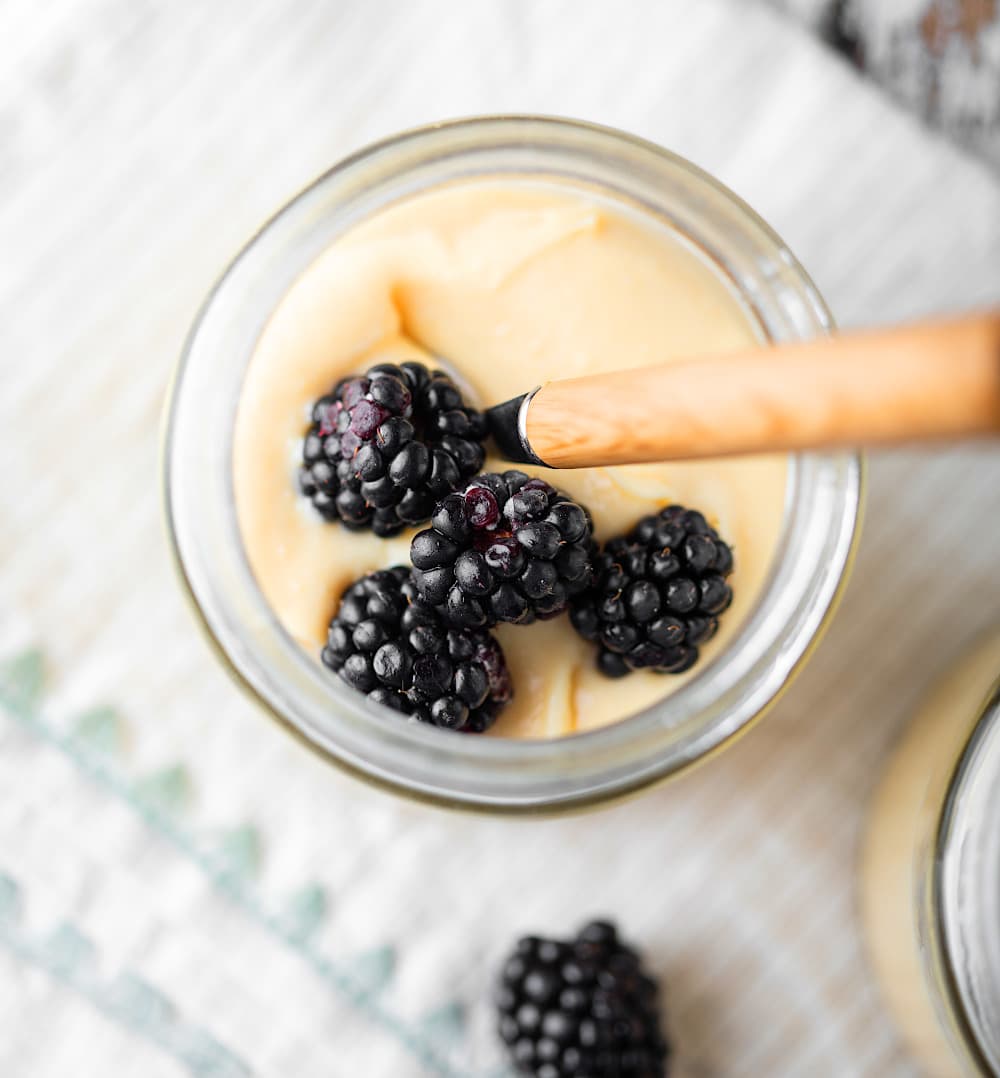
The ultimate late summer fruit, collecting blackberries growing wild in hedgerows is an annual ritual in many parts of the world. Sweet yet tart, they make a delicious addition to cakes, puddings, cocktails, and jellies, or they can just be enjoyed as a snack.
Related: Blackberry Cheesecake Recipe
Packed with vitamins and rich in anthocyanins, their juice is a time-honored pick-me-up after colds or flu. Mix with hot water, honey, and lemon for a powerful burst of vitamin C and a fantastic warming drink.
2. Black Cherries

What’s more enticing than a huge bowl overflowing with delicious black-skinned cherries bursting with sweet, woody juices of the deepest red? Black cherries cook well in pies, cakes, clafoutis (i.e. French rustic tart) and jams, and are also delicious in cookies.
They’re high in antioxidants, especially anthocyanins which give them their black color. Rich in vitamin C, calcium, and iron, black cherries, and their juice also contain melatonin, to help you sleep better.
3. Mangosteen
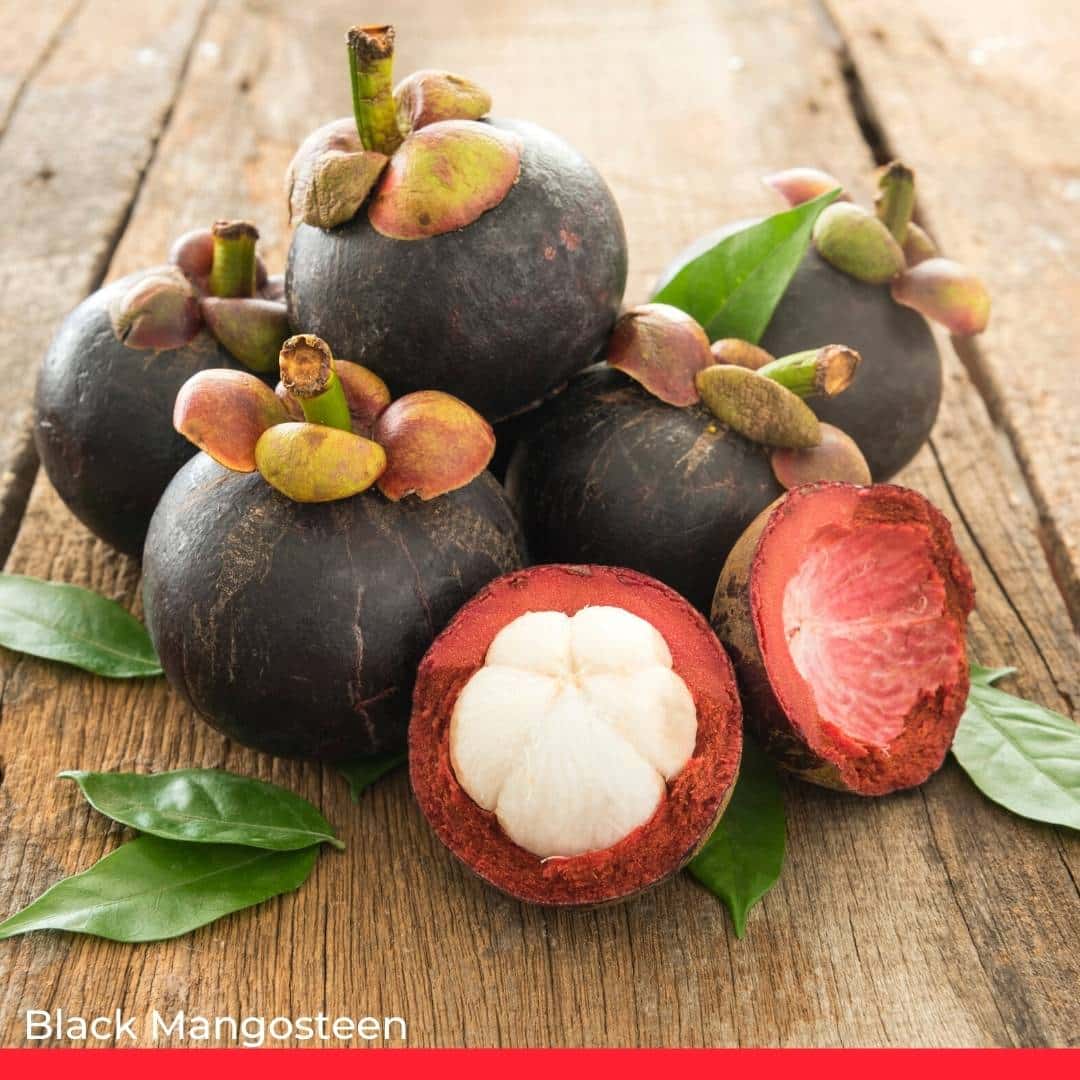
Named the ‘Queen of Fruit’ in Southeast Asia, the brown-black woody skin opens to reveal contrasting creamy white flesh. Black mangosteen tastes like a beautiful fusion of strawberries, pineapples, peaches, and lychees.
These exotic fruits are booster for the immune system and are reputed to improve skin health. Mangosteen also contains xanthones – a unique antioxidant, which, although it’s still being studied, shows promise for its anti-aging and anti-inflammatory effects.
4. Plums & Prunes

With their deep purple, almost black skin, plums are one of those fruits that bring both flavor and visual contrast to a dish. Fresh plums are juicy, slightly tart, and perfect for desserts like pies, tarts, cakes, and compotes, but they also work surprisingly well in savory dishes, from roasted meats to rice and stews.
When dried, plums become prunes, developing a richer, more concentrated sweetness and a soft, almost jam-like texture. Often overlooked, prunes are incredibly versatile: they can be used in jams, pies, and puddings, but also in hearty savory recipes where they add depth and a subtle sweetness.
Both plums and prunes are naturally sweet and packed with nutrients. Prunes, in particular, are known for their high fiber and pectin content, which support digestion and gut health—making them as functional as they are flavorful.
5. Mulberries

Mulberries come in several varieties (white, red, and black) each with its own flavor profile, though black mulberries are the most intense. Despite their resemblance, they’re not related to blackberries and, unlike most berries, they grow on large trees rather than low bushes. Their taste is unique: sweet, slightly tangy, and often compared to a mix of berries and caramel.
They’re incredibly versatile in the kitchen. Mulberries are perfect for jams, jellies, and baked goods, but they’re just as good eaten fresh or added to cereals and trail mixes. In Türkiye, they’re also used to make a refreshing sherbet, where their natural tartness balances out the sweetness.
Nutritionally, mulberries pack a punch. They’re especially rich in iron and vitamin C, making them not only delicious but also a great addition to a healthy diet.
6. Elderberries

Elderberries are small, dark berries that grow in clusters on elder trees. While they may look appealing, they should not be eaten raw, as they can be toxic. Once cooked, however, they become perfectly safe and are widely used in syrups, jams, juices, and even light wines.
In many countries, it’s actually the elderflowers that are used first: harvested in early summer to make fragrant syrups and teas. Later in the season, when the berries ripen, they are collected and used in a variety of traditional recipes.
Elderberries have long been part of folk medicine and are valued for their potential health benefits. Like many dark berries, they’re rich in antioxidants, as well as fiber and essential minerals such as potassium.
7. Dates

One of the oldest cultivated fruits in the world, dates have been enjoyed for thousands of years. Dark varieties, often deep brown to almost black, are especially prized for their rich, caramel-like sweetness and soft, chewy texture.
They’re incredibly versatile, perfect for snacking on their own, pairing with yogurt, or using as a natural sweetener in cakes, energy bars, and desserts. In many traditional cuisines, dates also appear in savory dishes, adding depth and a subtle sweetness.
While relatively high in calories, dates are packed with fiber, antioxidants, and essential vitamins and minerals. That makes them not just indulgent, but also a genuinely nourishing treat.
8. Blackcurrants

Blackcurrants are small, dark berries with a bold, tangy flavor and a distinctive aroma. They’re widely used in jams, syrups, juices, and liqueurs like crème de cassis, but they are also extremely delicious when added to cakes and other desserts. Naturally rich in vitamin C, they’re as nutritious as they are flavorful.
9. Black Gooseberries
If you can find them, fresh, ripe black gooseberries are an intriguing alternative to the more common green variety, especially in the summer months.
They’re perfect for making delicately sweet jams, pies, fools, and smoothies, but they’re just as enjoyable served simply with custard or ice cream. Before eating, it’s best to trim the top and tail of each berry to remove the stem and blossom ends.
Black gooseberries are rich in antioxidants, particularly anthocyanins, which give them their deep color and added nutritional value.
10. Black Diamond Watermelon

Despite its dramatic black rind, black diamond watermelon reveals vibrant red flesh when cut open. Like other varieties, the soft, crunchy texture and high water content mean it’s the perfect refresher on hot summer days.
The sweet flesh can be used to make delicately flavored granitas, ice creams, and smoothies. And watermelon juice makes an intriguing addition to cocktails.
Although watermelon is chiefly valued for its high water content, the flesh does contain vitamins A, C, and E.
11. Black Goji Berries

Black goji berries (black wolfberries) are an intriguing alternative to the more familiar red varieties. Like their red cousins, they are typically dried and added to breakfast cereals, trail mixes, or just enjoyed as a snack.
Black goji berries are especially rich in antioxidants, vitamins A,C, and E, fiber, and iron.
12. Black Mission Figs

The powdery skin of Black Mission figs opens to reveal the sumptuous dark pink flesh inside. Enjoyed at peak ripeness, figs are sweeter than honey.
They pair well with goat’s cheese, blue cheese, bacon or prosciuttos, walnuts, and almonds.
They’re ideal for jellies, jams, and chutneys – but they will lose their unique blackness. So if it’s the color you’re after, use them for decoration in fruit bowls and on cheese boards.
13. Black Velvet Tamarind

The black velvet tamarind is a West African fruit. The black skin is dense and rigid, and they’re about the same size as grapes.
You can eat the raw pulp or soak it in water to make a tasty beverage. The mouth-watering sweet-sour flavor adds a unique tang to sauces, desserts, and chutneys.
Black tamarind contains many nutrients that help prevent high blood pressure and cardiovascular diseases. It contains vitamins C, K, B6, B5, folate, and calcium.
14. Black Sapote

Black sapote, aka chocolate pudding fruit, black soap apple, or zapote prieto, offers divine notes of honey, caramel, and dates. The flavor has also been compared to ripe papaya. The texture is creamy to the point of mushiness.
It can be made into fruit loaves, puddings, and smoothies. Unfortunately, the ripe sapote appears wrinkled and somewhat bruised. This unappealing appearance may explain why it’s not more commonly found in supermarkets.
Black sapote is rich in potassium, calcium, phosphorus, and iron.
15. Jamun Fruit

With their jet-black skins concealing the rose-pink flesh inside, these tiny berries make fantastic jellies and sauces. With their tangy flavor, they make an irresistible addition to mixed salads. Or wash, remove the seeds and enjoy snacking on the raw berries.
In terms of nutrition, they’re full of vitamin C, potassium, magnesium, and iron.
16. Chokeberries

Chokeberries, also known as aronia berries, are small, dark-skinned fruits native to North America but now grown around the world. While they can be eaten raw, they have a strong, mouth-drying (astringent) quality that many people find unpleasant, which is why they’re more commonly used in jams, purées, syrups, and teas.
Available fresh, frozen, or in powdered form, chokeberries are highly nutritious and rich in fiber, vitamin C, and manganese.
17. Huckleberries

Found across the USA, huckleberries are used to make sumptuous pies, muffins, smoothies, and jellies. Eating them raw makes you notice that the black varieties are sweeter than the red ones.
In common with other blackberries, huckleberries are packed with vitamins A and C and several antioxidants. In addition, studies have shown that huckleberries contain up to 15 different anthocyanin compounds, which are believed to be beneficial for health.
18. Black Raspberries

Black raspberries, aka black caps or thimbleberries, have a more robust flavor than their red or golden cousins. They also contain more seeds. Because of their extremely dark pigment, they’re ideal to use as a natural coloring agent in baked goods and ice creams.
Black raspberries are ideal as a colorful low-calorie snack, making scrumptuous additions to granolas, smoothies, ice creams, and mousses.
They offer some of the highest antioxidant levels of any berry and are the subject of numerous health benefits studies.
19. Black Diamond Apples

The mysterious black diamond apple is a rare variety cultivated at an altitude of 3,500 feet in Tibet. So naturally, you’re likelier to see a Black Diamond apple on Instagram than in real life. But if you do, you’ll notice that their black-red skin hides the same brilliant white flesh you’ll find in other apples..
As they require up to eight years to reach maturity, farmers are reluctant to cultivate them and given their rarity they can be quite expensive.
Black Diamonds contain a similar nutrient profile to other apples. However, they’re exceptionally high in pectin, which is good for gut health, and a whole spectrum of other beneficial phyto-compounds.
20. Damsons
Damsons are small, dark purple plums with a rich history and a unique flavor. Though they may look almost black when fully ripe, their deep hue hides a tart, slightly sweet taste that makes them perfect for jams, jellies, chutneys, and even traditional British gin infusions. Unlike their juicier plum cousins, damsons have firmer flesh and a slightly astringent bite, which mellows beautifully when cooked.
21. Ackee

One of the most popular fruits in Jamaica, ackee is known for its distinctive appearance and its pale flesh contrasted by a dark, almost black outer shell when ripe. Originally brought to the island from West Africa, it has become a central part of Jamaican cuisine.
Ackee is never eaten raw and must be properly prepared before consumption. It’s best known as the key ingredient in Jamaica’s national dish, ackee and saltfish: a flavorful sauté of boiled ackee with flaked salted cod, tomatoes, sweet peppers, onions, scallions, garlic, and Scotch bonnet pepper, all seasoned with spices.
Related: 25 Stunning Black Foods

Related: 20 Yummy Pink Fruits to Add to Your Diet

Related: 20 Naturally Purple Fruits

Related: 20 Stunning Orange Fruits

