
23 Sensational Fruits Starting with S

When it comes to the kitchen, the letter “S” is a heavy hitter. This category covers a large culinary spectrum, ranging from the nostalgic sweetness of a summer strawberry to the refreshing acidity of satsuma.
Whether you’re looking for a creamy tropical custard to blend into a smoothie or a tart wild berry for your next batch of preserves, these fruits offer endless ways to brighten a plate. Dig into our guide to 26 essential “S” fruits and discover how their unique textures and flavor profiles can transform your cooking and baking.
1. Strawberry

Arguably the most popular fruit starting with the letter S, strawberries are instantly recognizable by their bright red hue and fragrant aroma. While they are a staple on their own, their juicy texture makes them a foundational ingredient for everything from summer shortcakes to thick preserves.
Strawberries can be the centerpiece of both sweet and unexpected savory dishes — from indulgent desserts like Chocolate Strawberry Cake or Strawberry Tiramisu, to tender Strawberry Pierogi that make for a nostalgic springtime treat. On the more adventurous side, the natural sweetness of strawberries adds a refreshing dimension to dishes like Strawberry Risotto, balancing creamy rice with fruity brightness.
2. Star Fruit (Carambola)
Beyond its striking star-shaped silhouette, this exotic fruit is prized for its crisp, refreshing crunch. The flavor is notably light and mildly tart, making it a popular choice for brightening up salads or serving as a sophisticated garnish for cocktails.
3. Soursop
The soursop’s prickly exterior hides a soft, creamy interior with a scent reminiscent of pineapple and citrus. Because its complex aroma is easily lost during cooking, it is most often used raw in chilled desserts, smoothies, and ice creams.
4. Sapodilla
Native to Mexico and Central America, sapodilla has a flavor profile that leans heavily toward caramel and brown sugar, the sapodilla tastes more like a confection than a fruit. Its grainy, pear-like texture is perfect for blending into milkshakes or simply enjoying fresh as a natural dessert.
5. Santol
This Southeast Asian favorite features a thick rind and a cottony pulp that balances sweet and sour notes. While it can be eaten fresh, it is frequently cooked into savory dishes or candied preserves to mellow out its sharp acidity.
6. Satsuma
Satsumas are a type of citrus similar to mandarins and a favorite for snacking because they are seedless, easy to peel, and consistently sweet. Their low-acid profile makes them more approachable than other citrus, working equally well in a quick lunchbox or a delicate fruit salad.
7. Salak (Snake Fruit)
The scaly, brown skin of the salak peels away to reveal a firm, apple-like flesh. It offers a unique, dry crunch and a flavor that keeps sweetness and acidity in a tight, clean balance.
8. Sloe
You won’t often see sloes eaten raw due to their intense, mouth-puckering astringency. Instead, these dark berries come into their own when steeped in sugar and alcohol to create the deep, complex syrups and liqueurs they are famous for.
9. Sugar Apple (Sweetsop)
This is popular Jamaican fruit. Segmented, custard-like flesh of a sugar apple is best enjoyed scooped directly from the skin. It is exceptionally sweet, though its delicate flavor profile means it is almost always served raw rather than cooked.
10. Saskatoon Berry (Serviceberry)
Though they look like blueberries, saskatoons carry a distinct, nutty undertone similar to almond. They are particularly reliable for baking, as their flavor deepens and becomes more robust when tucked into pies and muffins.
11. Sea Buckthorn
Vividly orange and aggressively tart, sea buckthorn berries pack a powerful citrus-like punch. They are rarely the main event on a plate; instead, they are used to add a bright, acidic lift to sauces, curds, and oils.
12. Spanish Lime (Quenepa)
Don’t let the name fool you; this isn’t a typical citrus fruit. To eat one, you crack the thin, leathery shell to find a jelly-like pulp clinging to a large seed. The flavor is a bright, tangy mix of lychee and lime, usually enjoyed fresh as a quick, portable snack.
13. Surinam Cherry

The ribbed, shiny surface of the Surinam cherry hints at its unusual flavor—a blend of tropical sweetness and sharp, resinous notes. Cooking the fruit with sugar helps to tame its herbal edge, transforming it into a vibrant jam or syrup.
14. Safou
Often called the butterfruit, the safou is a rare savory standout in the fruit world. It has a high fat content and a dense, creamy texture that completely transforms when roasted or grilled. Served with a pinch of salt, it tastes remarkably like a rich, tangy vegetable.
15. Sugar Palm Fruit
In Southeast Asian desserts, the sugar palm fruit is prized more for its texture than its taste. The translucent, rubbery seeds are mild and cooling, acting like natural “boba” thataks up the flavors of coconut milk or palm sugar syrups.
16. Star Apple (Caimito)
Cutting a star apple in half reveals a beautiful radiating pattern in the flesh, which gives the fruit its name. The interior is milky and exceptionally sweet, best served chilled and eaten with a spoon for a refreshing, custard-like experience.
17. Spanish Plum
While called Spanish plum, this tropical fruit is actually native to the Americas. As this fruit ripens, it makes a dramatic shift from super tart to syrupy sweet. You’ll often find them pickled while still green or cooked into thick, spiced sauces that accompany both sweet and savory Latin American dishes.
18. Sour Cherry
While regular cherries are great for snacking, sour cherries are for the oven. Their bold acidity stands up beautifully to heat, ensuring that the fruit flavor doesn’t get lost in the sugar of a pie or a preserve. Once cooked, they take on a deep, sophisticated tartness.
Try them in a luxe Black Forest Cheesecake, where their tartness cuts through creamy chocolate and cheese, or in a festive Chocolate Mascarpone Yule Log Cake, where cherries help balance rich cocoa and mascarpone filling.
19. Strawberry Tree Fruit
This fruit is more famous for its appearance than its raw flavor, which can be a bit mealy and mild. However, it’s a traditional favorite for making liqueurs and jams, where the processing helps smooth out the texture and concentrate its subtle sweetness.
20. Sapote
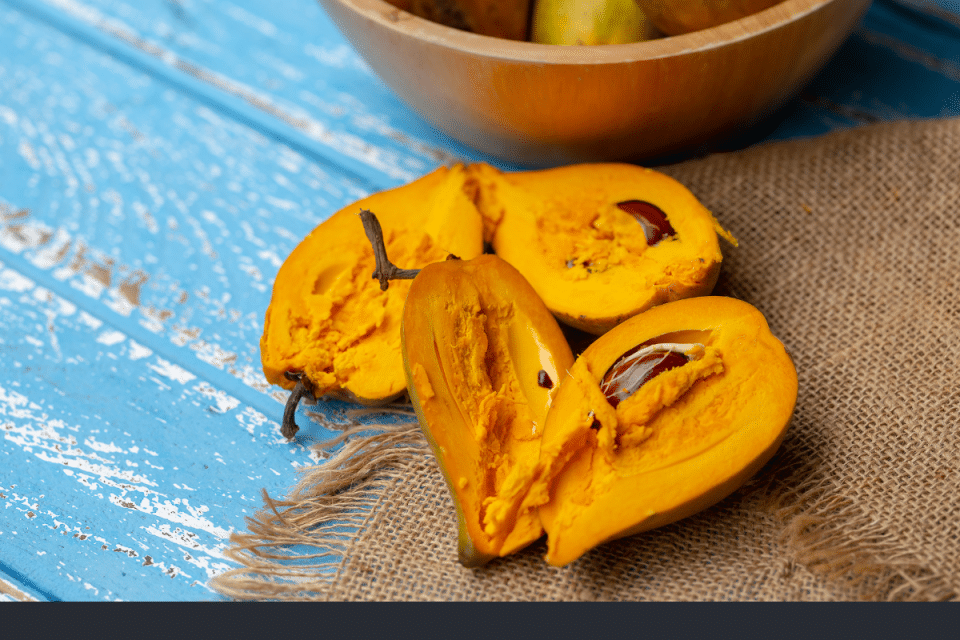
“Sapote” is a bit of a catch-all term for several tropical fruits, but they all share a signature creamy, “melt-in-your-mouth” texture. Whether it’s the chocolatey Black Sapote or the grainy Mamey Sapote, they are almost always used as a natural base for puddings and smoothies.
21. Sudachi
This small, green citrus from Japan is all about the aromatics. It’s too sour to eat like an orange, but a quick squeeze of its juice or a bit of zest over grilled fish or a bowl of soba noodles provides a high-pitched, refreshing finish that lemons can’t quite match.
22. Sweetie (Oroblanco)

A hybrid designed for those who find grapefruit too harsh, the Sweetie stays green even when ripe and lacks any significant bitterness. It’s a very great tasting fruit, making it a great choice for a simple morning citrus bowl.
23. Sycamore Fig
Distinct from the common garden fig, the sycamore fig has a history in Mediterranean and African cooking dating back to ancient times. They are smaller and often more aromatic than standard figs, frequently dried or preserved in heavy syrups to be served alongside savory meats or cheeses.
Related: 21 Popular Fruits that Begin with R
Related: 40+ Perfect Fruits Starting with P
Related: 14 Tasty Fruits That Start with O
Related: Fruits That Start with N
Related: Magnificent Fruits Starting With M
