
21 Popular Fruits that Begin with R

In this list we’ve highlighted some of the most well known fruits that start with the letter R, everything from familiar favorites like raspberries and red currants to tropical gems like rambutan and rollinia.
Some are best enjoyed fresh, others shine once baked, simmered, or preserved, adding sweetness, acidity, or depth to both desserts and savory dishes. This list looks at how R-fruits are commonly used in the kitchen, with a focus on taste, texture, and the kinds of recipes they naturally suit. Let’s get started!
1. Red Currant
Red currants are small, glossy berries with a sharp, refreshing tartness. They are delicious eaten on their own but also prized in jellies, syrups, and desserts, where their acidity keeps sweetness in check. Their bright flavor also pairs especially well with rich meats and creamy sweets.
2. Raspberry
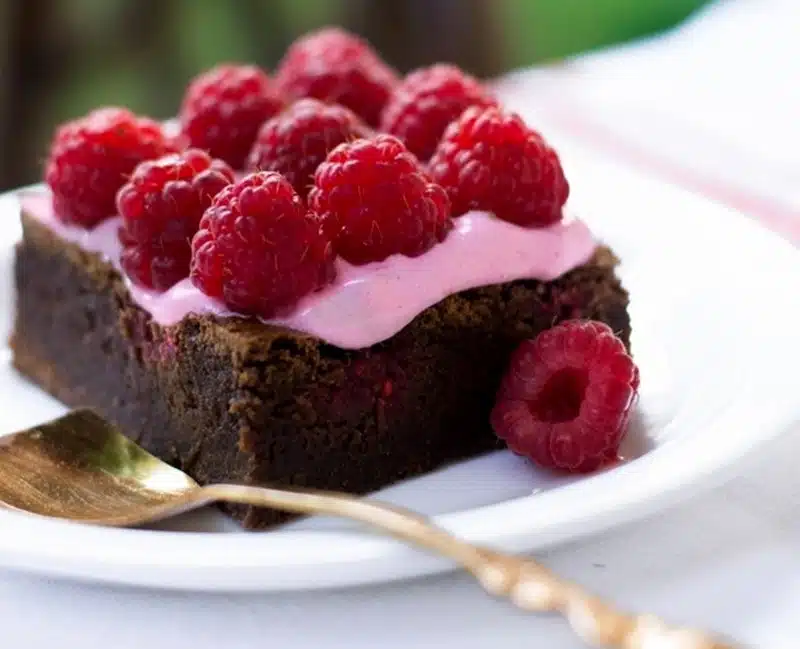
Raspberries are probably the most popular fruits in Europe and North America starting with the letter R. They are delicate, jewel-like berries with a bright balance of sweetness and tartness. They’re lovely eaten fresh but really shine in desserts, sauces, and jams, where their acidity adds lift and contrast. Because they break down easily, they’re especially well suited to coulis, fillings, and quick compotes.
Raspberries bring juicy, bright fruitiness to a wide range of desserts. In a layered vanilla raspberry Bavarian cake, raspberry jelly cuts through rich cream for an elegant finish. A raspberry & blueberry Swiss roll pairs the berries with light sponge and cream, while raspberry brownies combine the tart fruit with dense chocolate for a delightfully fudgy treat.
3. Rose Plum (Java Plum/Jamun)
Rose plum, also known as jamun, has deep purple flesh and a distinctly astringent, tangy flavor. It’s eaten fresh when fully ripe but is more commonly used in juices, sorbets, vinegars, and preserves. Sugar balances its sharpness, revealing a rich, wine-like fruitiness. It’s widely used in South Asian cooking and drinks.
4. Rose Apple
Rose apples don’t have much in common with regular apples and are totally different fruits. They are crisp, watery fruits with a mild sweetness and a faint floral aroma. They’re refreshing eaten raw and often used in salads or lightly cooked dishes. Their delicate flavor pairs nicely with citrus, fresh herbs, and gentle spices.
5. Rhubarb

Though often treated like a fruit (it’s a veggie!), rhubarb is known for its bold tartness and striking color. It softens beautifully when cooked, transforming into silky compotes, pies, and jams. Paired with sugar or sweeter fruits, it brings a welcome sharpness that keeps desserts from feeling heavy.
In desserts like rhubarb frangipane tart, it softens while keeping enough acidity to balance rich fillings. That same brightness works beautifully in savory cooking too, as in mallard duck breast with rhubarb, fennel, and honey.
6. Rambutan
Rambutans are highly popular fruits in Indonesia, Malaysia and other parts of Southeast Asia. They have a spiky exterior and translucent, juicy flesh that’s mildly sweet and refreshing. The flavor is clean and subtle, often compared to grapes or lychee. They’re best enjoyed fresh but also work well in fruit salads and lightly chilled desserts.
7. Rowan Berry
Rowan berries are small, bright fruits known for their bitterness when raw. Once cooked with sugar, they mellow into complex, slightly tangy preserves and jellies. Traditionally, they’re paired with meats or used in deeply flavored spreads.
8. Rosehip
Rosehips are the fruit of the rose plant, prized for their tart, slightly floral flavor. They’re commonly used in teas, syrups, jams, and preserves. When sweetened, they develop a pleasantly complex character that’s often described as gently citrus-like.
9. Red Mulberry
Red mulberries are juicy and sweet with a gentle tartness that deepens as they ripen. Their soft texture makes them well suited to jams, pies, and sauces. Fresh, they’re delicate and best enjoyed soon after picking.
10. Rockmelon (Cantaloupe)
Rockmelon is sweet, aromatic, and refreshingly juicy. It’s most often eaten fresh but also works well in fruit salads, chilled soups, and light desserts. Its mellow sweetness pairs beautifully with citrus, yogurt, or fresh herbs.
11. Riberry
Riberries are small, dark Australian fruits with a bright, slightly spicy flavor that sits somewhere between cranberry and clove. They’re rarely eaten fresh and are more commonly cooked into jams, syrups, and desserts. When heated, their sharpness softens and deepens into a complex, aromatic fruitiness that works beautifully in preserves and sauces.
12. Rangpur Lime
Rangpur lime looks like a small orange but tastes sharply citrusy and acidic. It’s usually valued for its juice rather than eaten whole. Its intense tang makes it especially useful in cocktails, marinades, and bold savory sauces.
13. Red Date (Jujube)
Red dates, also known as jujubes, are sweet and chewy when dried, with a flavor often compared to apples, caramel, and honey. They’re widely used in teas, desserts, and slow-cooked dishes, where they gently sweeten and round out other flavors. Their soft texture and mellow sweetness make them especially comforting in long-simmered recipes.
14. Red Huckleberry
Red huckleberries are tart, juicy berries that are usually cooked rather than eaten fresh. Once sweetened, they shine in jams, baked goods, and sauces, where their sharpness adds contrast and brightness. Their flavor holds up well alongside sugar and spice, making them well suited to preserves.
15. Rukam
Rukam is a Southeast Asian fruit with a firm texture and a boldly tart flavor. It’s often eaten simply with salt or turned into pickles and preserves. When fully ripe, it softens slightly and develops a more balanced mix of sourness and gentle sweetness.
16. Rambai
Rambai is a Southeast Asian fruit with pale flesh and a sweet-tart, slightly citrusy flavor. It’s eaten fresh but also cooked into curries, sambals, and chutneys, where its acidity balances rich ingredients. The texture is juicy and segmented, similar to langsat. In cooking, it behaves well in both sweet and savory dishes.
17. Roselle
Roselle is valued for its deep red calyces, which are used like fruit in drinks and preserves. The flavor is tart and refreshing, often compared to cranberry, with a clean, sharp finish. It’s widely used in teas, syrups, and jams for both brightness and color.
18. Rukem
Rukem is a tropical fruit related to hog plum, with firm flesh and a strongly sour taste. It’s rarely eaten plain and is more commonly pickled or cooked into relishes and preserves. When processed, its sharp acidity mellows into a balanced sweet-sour profile. It’s valued for its punch rather than sweetness.
19. Ramontchi (Governor’s Plum)
Ramontchi is a small tropical fruit with firm flesh and a sweet-tart flavor. It’s eaten fresh when ripe but is also used in jams, sauces, and preserves. The fruit holds its shape well when cooked, making it useful in compotes and fillings. Its balance of sweetness and acidity gives it broad culinary appeal.
20. Rollinia
Rollinia is a tropical fruit with soft, creamy flesh and a mild, custard-like sweetness. Its flavor is gentle and slightly fruity, often compared to a lighter, less intense cherimoya. It’s usually eaten fresh, where its smooth texture is the main attraction rather than bold acidity.
21. Rough Lemon
Rough lemon is a strongly acidic citrus fruit with thick, textured skin and sharp juice. It’s not typically eaten fresh but is valued for its zest and juice in cooking and drinks. The intense citrus flavor works well in marinades, preserves, and bold savory dishes.
Related: 40+ Perfect Fruits Starting with P
Related: 14 Tasty Fruits That Start with O
Related: Fruits That Start with N
Related: Magnificent Fruits Starting With M
Related: 20+ Luscious Fruits Starting with L
