
Chef of the Week: Takanori Akiyama of Tsukimi, New York
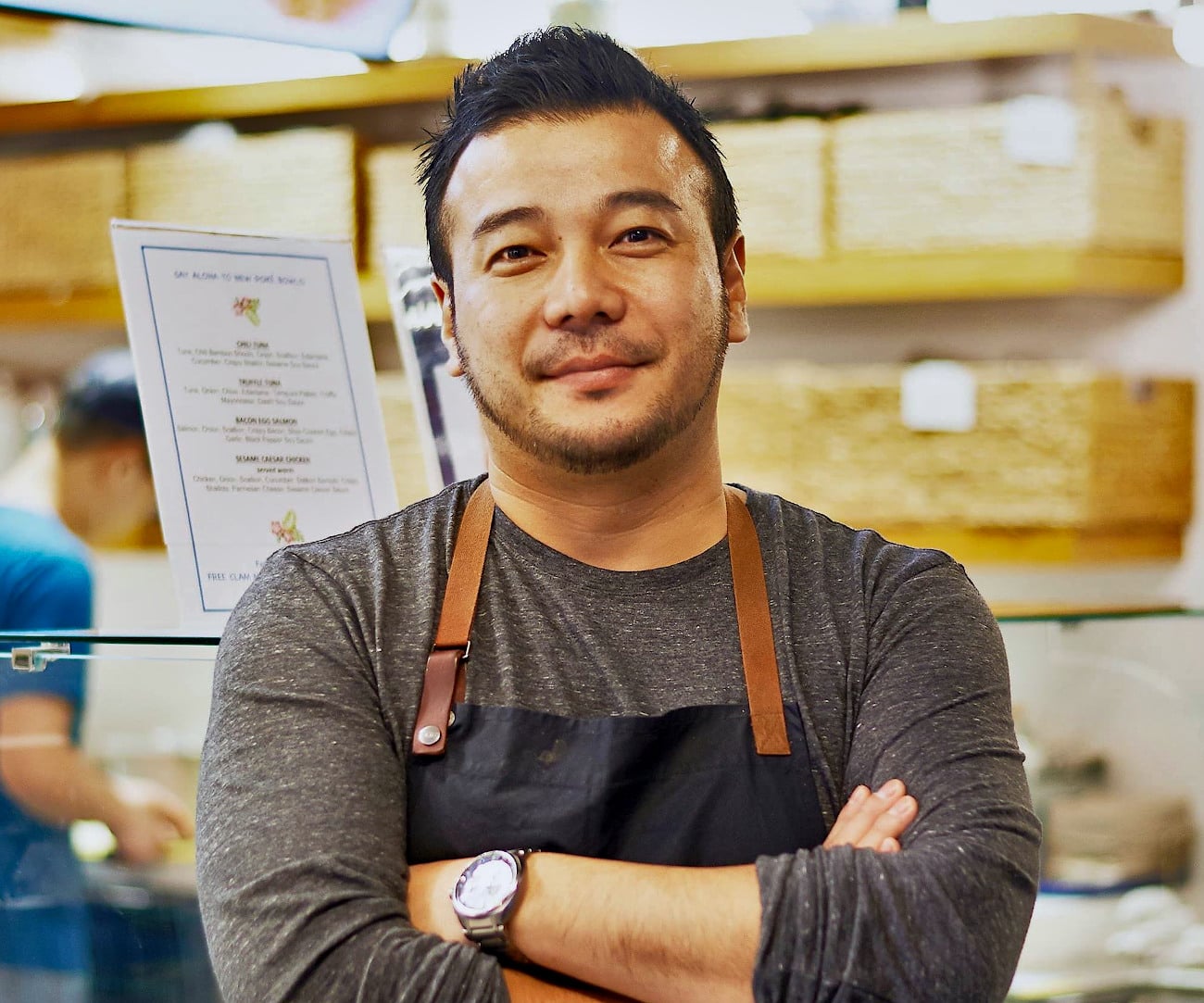
At the heart of New York’s East Village, Chef Takanori Akiyama has quietly redefined the art of kaiseki dining at Tsukimi, his intimate 12-seat counter. Born into a family of chefs in Miyazaki, a coastal city in southern Japan, Akiyama’s earliest memories are rooted in the disciplined rhythm of his parents’ restaurant kitchen. That foundation, combined with years spent cooking in Japan and New York, shaped the precision and creativity that now guide his cuisine.
Since opening, Tsukimi has earned and maintained a coveted Michelin star, a recognition that reflects both Akiyama’s respect for tradition and his pursuit of innovation. Guided by the Japanese philosophy of on-ko-chi-shin—“learning from the past to create something new”—he crafts seasonal tasting menus that marry time-honored technique with modern expression. Every course, from sashimi prepared with thoughtful pairings to delicate owan soups that embody the essence of dashi, tells a story of heritage, seasonality, and craftsmanship.
For Chef Akiyama, cooking is not only about flavor, but also about texture, detail, and hospitality. At Tsukimi’s counter, guests don’t just dine—they experience a living dialogue between tradition and creativity, past and present.
Check out this exclusive Chef’s Pencil interview with Chef Takanori Akiyama below.
You’ve spoken about growing up in a family of chefs in Miyazaki, Kyushu. How did that early environment shape your cooking instincts and discipline?
I grew up being in the kitchen of my parents’ restaurant – playing in the kitchen as a kid – so being in the kitchen has always been second nature for me. Watching my father and other chefs work, I observed first-hand how tough it was to be in the kitchen and the discipline needed to be a successful cook. So, when I started working in the kitchen as an adult, I was prepared to face the difficulties and adjusted much faster than my other colleagues.
Before opening Tsukimi, you cooked in both Japan and New York. What were the most formative lessons you carried from those kitchens into your own counter?
Never compromise or take short cuts when it comes to the quality of ingredients and technique.
Tsukimi earned a Michelin star and continues to hold One Star. What did that recognition change for you—creatively, operationally, and for guest expectations?
For myself and my team, receiving and maintaining our Michelin star has significantly increased our level of confidence. Personally, the continued recognition has also fueled my motivation and creativity in the kitchen.
The restaurant is an intimate, 12-seat counter experience. What does that scale enable you to do—technically and hospitably—that a larger dining room cannot?
A small-scale operation gives us the opportunity to provide more detailed and tailored service for our guests.
I am able to personally observe the response of each our guests while they are dining so I can further adjust and improve what is needed for an even better experience. I am able to prepare the ingredients fresh on the day of the service for the guests that evening and cook dishes á la minute during the dinner, so each course is served with precision and at the optimal temperature and texture.

You’ve described your approach to modern kaiseki through the saying “on-ko-chi-shin”—learning from tradition to create something new. Can you share a course that best embodies that idea?
One example of this philosophy is our sashimi course. Traditionally, sashimi is cut and plated with soy sauce on the side for dipping. While I properly follow the traditional ways of preparing and cutting the fish, I serve the sashimi course in a not so traditional way. Instead of having the sashimi plated with soy sauce and garnish on the side, I prepare each sashimi piece with its own sauce and garnish to be enjoyed together in one bite.
What seasonal Japanese ingredients are you most excited to showcase in New York right now, and what do you wish diners better understood about them?
For our upcoming fall menu, I am preparing an owan course (the lidded soup course in kaiseki cuisine) with hamo and matsutake. I want to showcase the traditional technique of honegiri in the preparation of hamo, the technical skill required to make dashi for the soup, and the seasonality of matsutake, one of the most treasured autumn ingredients in Japan. My goal is for our guests to truly experience the autumn season through the depth of each preparation.
Kaiseki is meticulous about texture. Which textural contrasts do you find most powerful for guiding a guest’s palate through the menu?
I love the contrast of textures of fresh vegetables with perfectly cooked protein. A current example of this would be our wagyu course where we wrap charcoal grilled strip loin wagyu with vegetables that have been prepared to showcase their textures.

The NYC fine-dining landscape is evolving fast. Which changes are you embracing, and which pressures are toughest for a chef-owner right now?
The culinary knowledge and understanding of our guests are ever increasing these days. So, I do feel the pressure to keep up with our guests with ingredients and technique to exceed their expectations.
For guests new to kaiseki, what mindset should they bring to get the most from the experience?
Kaiseki is seasonal at heart, so having that understanding can elevate ones appreciation of the kaiseki tasting menu as a whole. But simply coming in with an open mind, relaxed and ready to have a good time to enjoy the dinner is truly enough.
For readers who are new to Japanese food, what top traditional dishes (not necessarily fine dining) should they try first—and what should they pay attention to when tasting them?
Owan (soup) type dishes offered at traditional Japanese restaurants would be my recommendation because it embraces one of the main foundations of Japanese cooking, which is dashi.
What advice would you offer young cooks who want to honor tradition without becoming nostalgic—how do they find their own on-ko-chi-shin?
Mastering the foundation and basic skills of cooking is most important if you want to be innovative cook. If you don’t take the time to master the basics and try to create something new, the new dish ends up being shallow.
If you want true depth in your cooking, I would advise young cooks to master basic traditional dishes before exploring new approaches. And stay curious about all types of cuisines so you can continue to be inspired to try new ways of cooking.

Chef Takanori Akiyama | Instagram
Tsukimi | Instagram
228 E. 10th St. New York, NY 10003
