
Chef of the Week: Executive Pastry Chef Shinas Shahida of Rosewood Munich
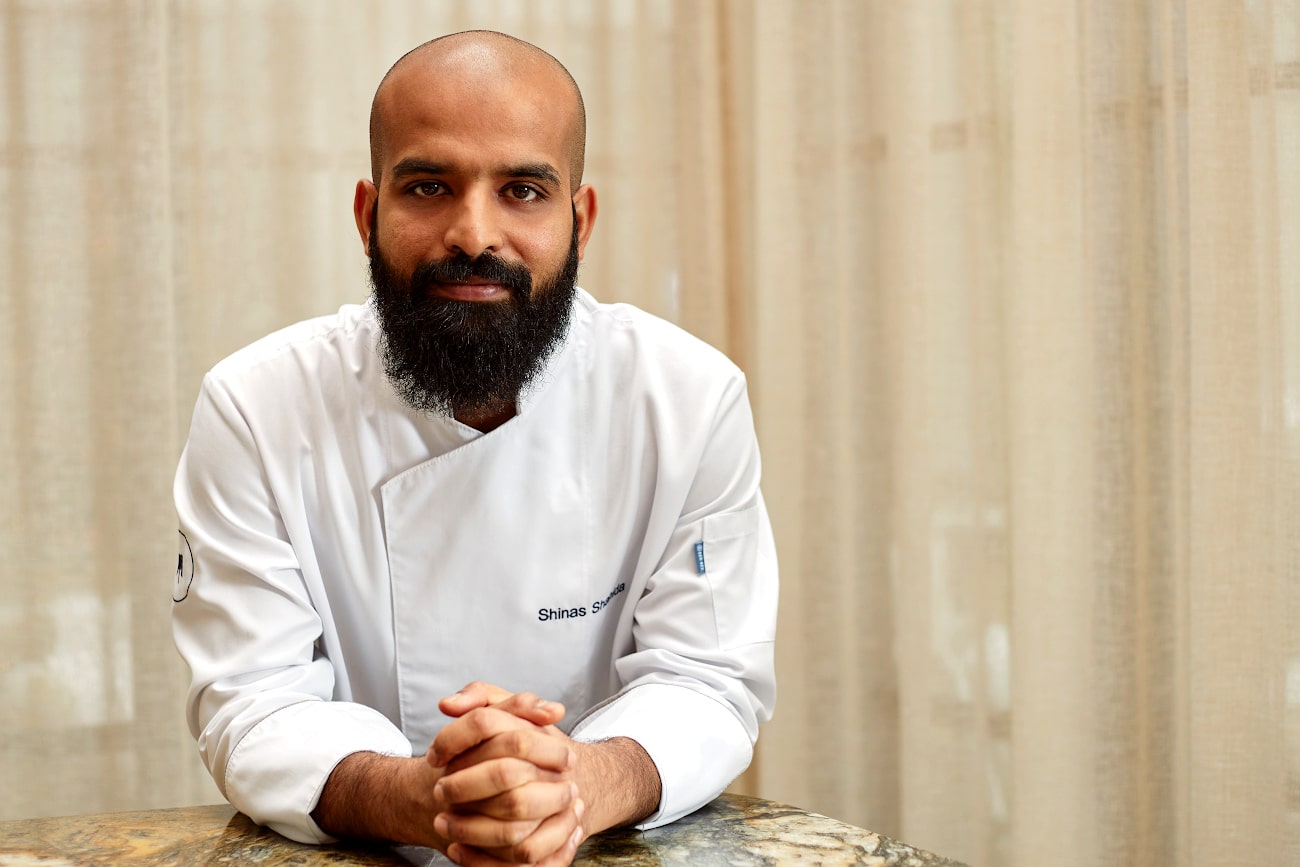
From the tropical flavors of Kerala to the refined precision of European fine dining, Executive Pastry Chef Shinas Shahida brings a globally inspired yet deeply personal approach to dessert. Now leading the pastry program at Rosewood Munich, Shahida is known for creating elegant, nature-driven desserts that highlight seasonality, balance, and the true character of each ingredient.
In this interview, he reflects on his journey through Michelin-starred kitchens, the influence of his Indian heritage, and the evolving role of pastry in modern dining. From bold spices and tropical fruits to low-sugar, flavor-focused creations, Shahida shares the philosophy and techniques behind desserts that are as thoughtful as they are memorable.
1. What first inspired you to pursue a career in pastry, and how did your journey begin?
I was born and raised in Kovalam, Kerala, where food is at the heart of everyday life. In my family, cooking was never just about nourishment—it was how we expressed love, celebrated traditions, and brought people together. Growing up surrounded by tropical fruits, spices, and the vibrant food culture of Kerala sparked my curiosity about flavours from an early age. What drew me to pastry in particular was the combination of creativity and precision. It allowed me to transform simple ingredients into something beautiful, memorable, and emotionally connected to people.
2. You trained in Michelin-starred kitchens, including CODA Dessert Dining, the world’s first Michelin-starred dessert-focused restaurant. What were the most important lessons you took from those experiences?
Working in Michelin-starred kitchens taught me that excellence lies in the smallest details. At CODA, I learned to view dessert not as the end of a meal but as a complete culinary experience. It changed the way I think about flavour, texture, balance, and storytelling. The experience also reinforced the importance of discipline, consistency, and continuous learning. Most importantly, it taught me to challenge traditional boundaries and to find the extraordinary within ordinary ingredients.
3. You worked in India, Qatar, the Maldives, Kazakhstan, and now Germany. How have diners’ expectations of desserts differed across these countries?
Every country has its own relationship with dessert. In India, guests often appreciate bold flavours, spices, and a sense of indulgence. In Qatar and the Middle East, there is a strong appreciation for luxury ingredients and rich hospitality traditions. In the Maldives, guests often seek lighter, fruit-driven desserts that reflect the tropical environment. Germany has a highly educated dining culture where guests appreciate technical precision, seasonality, and subtle flavours. These experiences have taught me the importance of understanding local tastes while staying true to my own creative vision.
4. Having worked across such diverse culinary cultures, what international influences have had the greatest impact on your approach to pastry?
The greatest influence has been learning that every culture has its own way of respecting ingredients. My Indian roots taught me about flavour and emotion. The Middle East deepened my understanding of hospitality and generosity. European fine dining introduced me to precision, technique, and minimalism. Together, these experiences shaped my belief that great pastry should be globally inspired but always rooted in authenticity.
Every culture has its own way of respecting ingredients.

5. How would you describe your pastry philosophy?
My pastry philosophy is simple: bring nature to the plate. I am inspired by fruits, vegetables, flowers, and the changing seasons. At Rosewood Munich, this philosophy aligns naturally with our approach to luxury hospitality, where we aim to create experiences that feel both refined and deeply connected to place. I believe desserts should celebrate the natural beauty of ingredients rather than hide them behind excessive sugar or decoration.
6. Your roots are in Kerala, a region known for its rich culinary traditions and use of spices, tropical fruits, and coconut. How does your heritage influence the desserts you create today?
Kerala remains a constant source of inspiration. The flavours I grew up with such as coconut, mango, jackfruit, banana, cardamom, black pepper, and other spices, continue to influence my palate. Even when I create modern desserts, those memories remain present. My heritage reminds me that flavour should always tell a story and that ingredients should be treated with respect.
7. Are there any ingredients or flavour combinations from your childhood that you find yourself returning to in your professional work?
Absolutely. Coconut and tropical fruits are combinations I often revisit because they immediately connect me to home. I also enjoy working with spices such as cardamom, cinnamon, and black pepper in unexpected ways. These flavours have a natural warmth and complexity that can elevate modern pastry while remaining deeply personal.
8. Many diners are seeking desserts that are less sweet and more flavour-driven. How has this trend influenced your own creations?
This trend aligns perfectly with my own philosophy. I believe sweetness should support flavour rather than dominate it. Today, I focus on highlighting the natural characteristics of fruits, vegetables, herbs, and flowers while using sugar more thoughtfully. By reducing sweetness, we create desserts with greater depth, balance, and a stronger connection to the ingredients themselves.
9. What pastry trends do you expect to define 2026?
I believe we will see a continued movement toward nature-driven desserts with lower sugar levels and a stronger focus on sustainability.
I believe we will see a continued movement toward nature-driven desserts with lower sugar levels and a stronger focus on sustainability. Guests are becoming more interested in ingredients, provenance, and seasonality. We will also see greater use of whole-plant utilisation, fermentation, and savoury influences in pastry. The future of dessert will be less about excess and more about authenticity, flavour, and environmental responsibility.
10. Is there a dessert on your current menu that best represents your style and approach? What is the story behind it?
The Chocolate, Pear and Earl Grey dessert currently served at Rosewood Munich is a dish that perfectly reflects my style. It combines familiar ingredients but presents them in a refined and contemporary way. The bitterness of chocolate, the natural sweetness of pear, and the aromatic complexity of Earl Grey create a balanced and elegant experience. It showcases my commitment to flavour, structure, and visual artistry while remaining approachable and memorable for our guests.

11. How do you balance creativity with the technical precision that pastry demands?
Creativity and technique are inseparable in pastry. Technique provides the foundation that allows creativity to flourish. I approach every new idea with curiosity, but I refine it through testing, repetition, and discipline. The artistic vision may begin with inspiration from nature, but technical precision ensures that the final result consistently delivers the intended experience.
12. Luxury hotels are increasingly investing in destination dining experiences. What role do you think pastry plays in shaping a guest’s overall culinary experience?
At Rosewood Munich, we see pastry as an integral part of the guest journey. Whether it is the final course of a tasting menu, afternoon tea, or an unexpected sweet moment during a stay, pastry helps create lasting memories and reinforces a sense of place. It is often the detail guests remember long after they leave.
13. Munich’s culinary scene has gained significant international attention in recent years. What makes it such an exciting city for chefs right now?
Munich is an exciting city because it successfully combines tradition with innovation. There is a deep respect for local ingredients and culinary heritage, but there is also a growing openness to international influences and contemporary dining concepts. Guests are knowledgeable, curious, and willing to explore new ideas, making it a rewarding environment for chefs who want to push creative boundaries. This energy makes Munich an inspiring place to work and creates exciting opportunities for us at Rosewood Munich to contribute to the city’s evolving culinary landscape.
14. Finally, what’s one simple pastry tip or technique that home bakers can use to improve their desserts immediately?
Taste constantly and trust your palate. Many people focus only on following recipes, but great desserts come from understanding balance. Pay attention to sweetness, acidity, texture, and temperature. Sometimes a small pinch of salt, a touch of citrus, or allowing ingredients to reach the right temperature before baking can completely transform the final result.

Chef Shinas Shahida | Instagram
Rosewood Munich
Kardinal-Faulhaber-Straße 1, 80333 München, Germany
