
An Italian Chef Refused Pineapple on Pizza. These Toppings Push Tradition Even Further
I once had an Italian barista refuse to add cold milk to my espresso because, he insisted, it would ruin it. On another occasion, on a family trip to Ravenna, a different barista reacted to my request for an espresso to go with what I can only describe as a tantrum.
I thought I was ordering coffee. Apparently, I was challenging a set of principles.
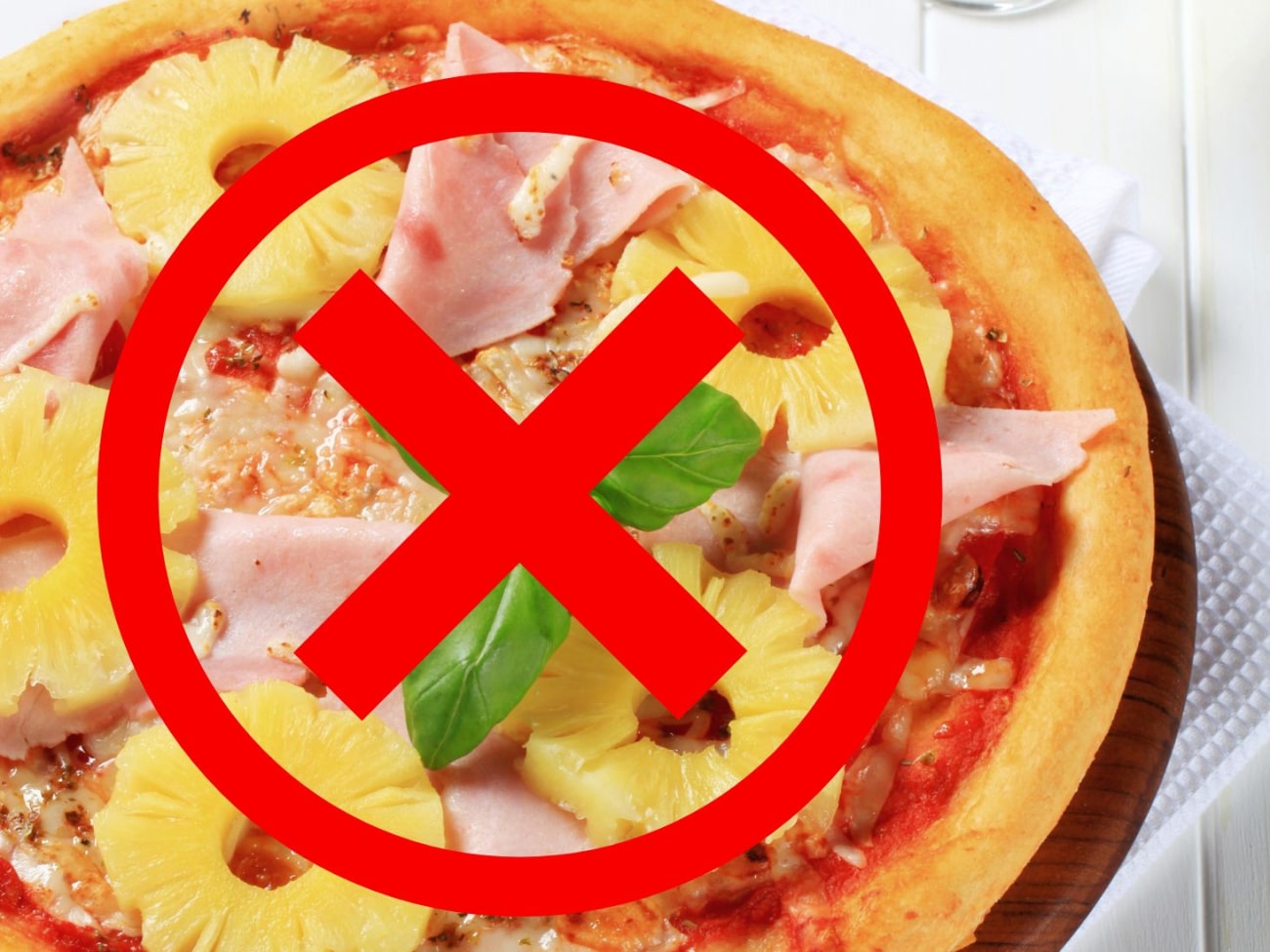
Those encounters came to mind when I read about Davide Tamburella, an Italian chef whose refusal to put pineapple on pizza became part of a dismissal dispute in Australia. His objection, as recorded by the country’s Fair Work Commission, was that the topping represented “an insult to his culture.” For someone who has inadvertently provoked an argument over cold milk, the strength of feeling sounded familiar.
First, the firing wasn’t just about pineapple
Tamburella was dismissed from Brisbane’s now-closed La Costa restaurant in May 2026. His refusal to prepare ham-and-pineapple pizzas for a function was one of several concerns raised by management, alongside complaints about his language and workplace conduct. According to the commission’s account, this was the third time in four years that he had refused to put the fruit on pizza.
Restaurant owner Elliot Ingram has since emphasized that the pineapple disagreement contributed to the decision but was not its sole cause, according to Australia’s ABC. And the commission’s November 3 decision rejected Tamburella’s application because it was filed late—not because it had decided that refusing pineapple justified dismissal. That distinction matters, however irresistible the simpler headline might be.
Still, the dispute raises a question that extends well beyond one restaurant: if pineapple represents an unacceptable departure from pizza tradition, what are we supposed to make of banana, taco chips, or beef stroganoff?
These aren’t imaginary combinations invented to annoy Italians. They appear on restaurant menus (primarily outside of Italy), and some have enthusiastic followings.
Banana, curry, kebab, fries and béarnaise : Sweden takes the fruit debate further and then some
Anyone hoping that removing pineapple would settle the argument should approach a Swedish pizza menu cautiously.
At Varbergs Pizzeria, a well-rated pizza place south of Gothenburg, the Africana combines ham, pineapple, banana, and curry. It appears under the restaurant’s “classic pizzas” category, which is perhaps the most revealing detail of all. What might look like a provocation elsewhere is simply part of the local menu.
There is a recognizable sweet-and-savory idea here: fruit, salty ham, and curry seasoning. Whether that sounds delicious or deeply unsettling probably depends on what you expect when someone offers you a slice.
Nor is banana merely an eccentric topping that nobody actually orders. A 2026 survey of 1107 Swedish adults found that 27% liked banana on pizza. Pineapple had an even larger constituency, at 53%. And among younger Swedes aged 18–29, half love fries on pizza and one in three enjoy dipping their pizza crusts in béarnaise sauce.
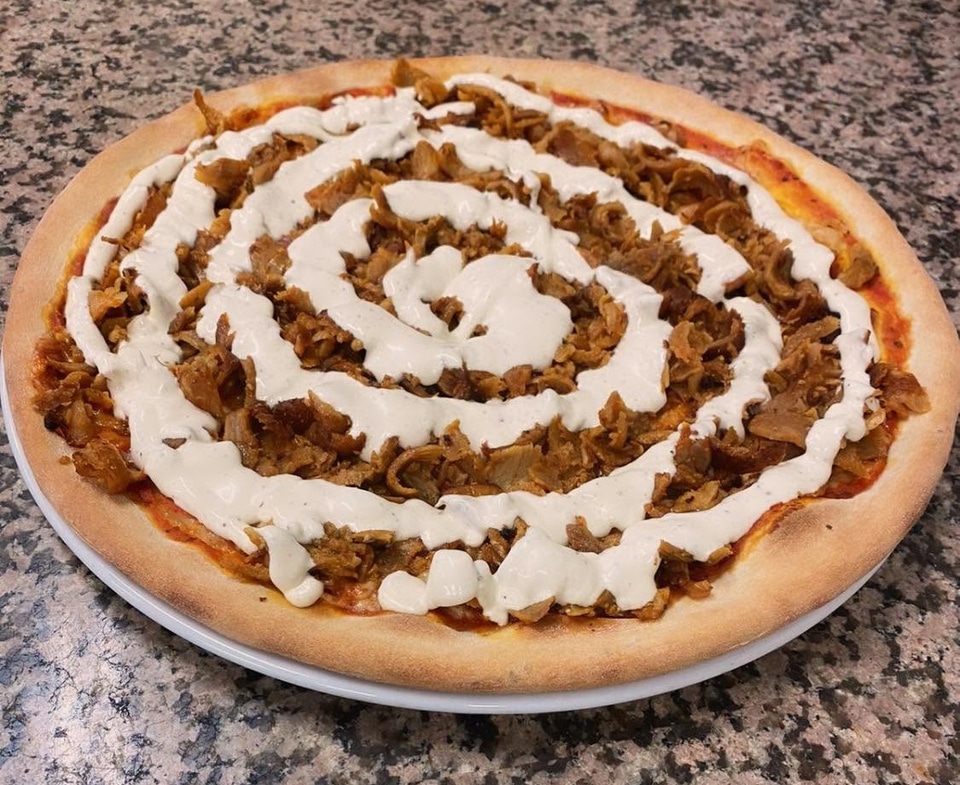
And the Africana isn’t the only exotic offering on the menu. Apparently, the restaurant’s Kebab Pizza is so good that it’s worth a six-hour drive from Stockholm, according to one customer.

Barbecue chicken: familiar to Americans, less so to traditionalists
Compared with banana and curry, barbecue chicken might seem positively restrained. California Pizza Kitchen’s Original BBQ Chicken Pizza combines chicken with barbecue sauce, smoked Gouda, mozzarella, red onion, and cilantro. It is a substantial departure from a tomato-and-mozzarella pizza, but a thoroughly established menu item.
The chicken itself is part of the cultural divide. In her article for Magnifico Food, writer Donatella Mulvoni contrasts chicken-topped pizzas with the cured meats familiar on Italian menus, including prosciutto, speck, salami, and mortadella. The distinction is not simply “meat versus no meat,” but which meats belong in the pizza tradition someone recognizes.
Add sweet, smoky barbecue sauce and cilantro, and the disagreement is no longer about a single ingredient. It is about what kind of dish the pizza is trying to be.
To my mind, that is a more interesting conversation than declaring one version automatically wrong. A barbecue chicken pizza is hardly pretending to be a Margherita.
Potato, corn, and mayonnaise: Japan’s comfort-food combination
Domino’s Japan offers another combination that could turn a pineapple argument into a much longer discussion.
Its Mayo Jaga brings together sliced potatoes, pork sausage, corn, tomato sauce, and a double helping of mayonnaise sauce. There is no need to speculate about whether customers take it seriously: it placed seventh in Domino’s Japan’s published 2024 pizza popularity ranking.
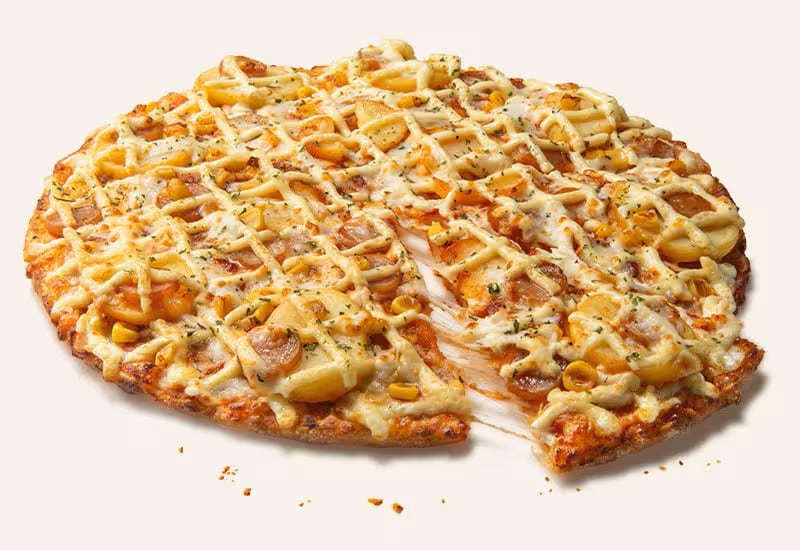
On paper, the appeal is easy enough to understand. Potatoes and sausage suggest a hearty meal, corn adds sweetness, and mayonnaise adds richness. Put those ingredients on bread and the result is recognizable comfort food, even if it is a long way from the pizza a traditionalist has in mind.
The mayonnaise may attract the loudest objections. Hold that thought, though. Italy has something to contribute to that particular conversation.
Taco pizza: lettuce, seasoned meat, and a generous crunch
Taco pizza makes even less effort to pass as a traditional Italian creation.
At Happy Joe’s, the Taco Joe combines a refried-bean sauce with taco-seasoned beef and sausage, then adds lettuce, tomatoes, and taco chips. The company describes it as its bestselling pizza, so this is not merely a novelty hiding at the bottom of the menu.
What makes it particularly interesting is the contrast in textures: a baked pizza underneath, fresh lettuce and tomatoes above, and crunchy chips on top. It borrows as much from a taco platter as from an Italian pizzeria.
For someone who values restraint in pizza toppings, that may be several steps too far. But there is something refreshingly straightforward about it. Rather than debating whether one small addition is permissible, taco pizza commits to an entirely different idea.
Beef stroganoff: Brazil puts dinner on the pizza
Then there is pizza topped with beef stroganoff. At Brazil’s Caleche restaurant, one version combines tomato sauce, mozzarella, beef stroganoff, batata palha—thin, crisp potato sticks—and olives. It is a full meal’s worth of ingredients presented on a pizza base.
The contrast between a rich topping and crunchy potatoes gives the combination a certain logic. Whether that logic belongs anywhere near pizza dough is where opinions are likely to separate.
Of all these examples, this one most clearly demonstrates how far a dish can travel from its starting point. The pizza is no longer simply receiving an additional topping. It is accommodating another dish altogether.
Pineapple suddenly seems like a fairly modest request.
But Italy has its own surprises
Before turning this into a story about Italians defending tradition against everyone else, it is worth looking at what happens inside Italy.
For a start, French fries and sliced hot dogs already have a place on some Italian pizza menus. Mulvoni points to the combination, often called pizza Americana, as a favorite among children. That makes the idea of a universally observed ban on unconventional toppings rather difficult to sustain.
Then there is Pesaro’s pizza Rossini, topped with egg and mayonnaise. The city’s own tourism office celebrates it as a local creation and notes that it has an entire festival devoted to it. Mayonnaise on pizza, it turns out, does not necessarily require a flight to Japan.
Even pineapple has Italian defenders. By early 2024, Neapolitan pizza maker Gino Sorbillo was publicly defending his version, which used pre-roasted pineapple, smoked provola, basil, and other cheeses on a base without tomato sauce. In an interview with Gambero Rosso, he argued that the ingredient should be judged by how it was prepared and paired, rather than dismissed automatically.
Public opinion is not unanimous either. A 2024 YouGov survey found that 54% of Italians had never tried Hawaiian pizza and refused to taste it. But 31% were either willing to try it or had already eaten it and would order it again. That is a substantial number for a topping supposedly rejected by an entire country.
Tradition deserves respect. Does it require a veto?
I can appreciate a chef or barista caring deeply about what they serve. There is a meaningful difference between having a point of view and treating every ingredient as interchangeable.
But those espresso encounters also left me wondering where expertise ends and unnecessary rigidity begins. A recommendation would have been welcome. The sense that I had committed an offense was less helpful.
Pizza makes that tension especially entertaining. One person sees banana as an intrusion; another sees a familiar order. A mayonnaise topping can look like a foreign eccentricity until an Italian city claims it as a specialty.
None of this tells us whether Tamburella’s dismissal was justified. It does suggest that “Italians would never” is a risky way to begin a sentence about food.
And I would still quite like my espresso to go.
Related: Top 25 Most Popular Italian Foods & Dishes
Related: Top 20 Southern Italian Foods (With Pictures!)
