
Chef of the Week: Chef Mikael Svensson, Kontrast, Oslo
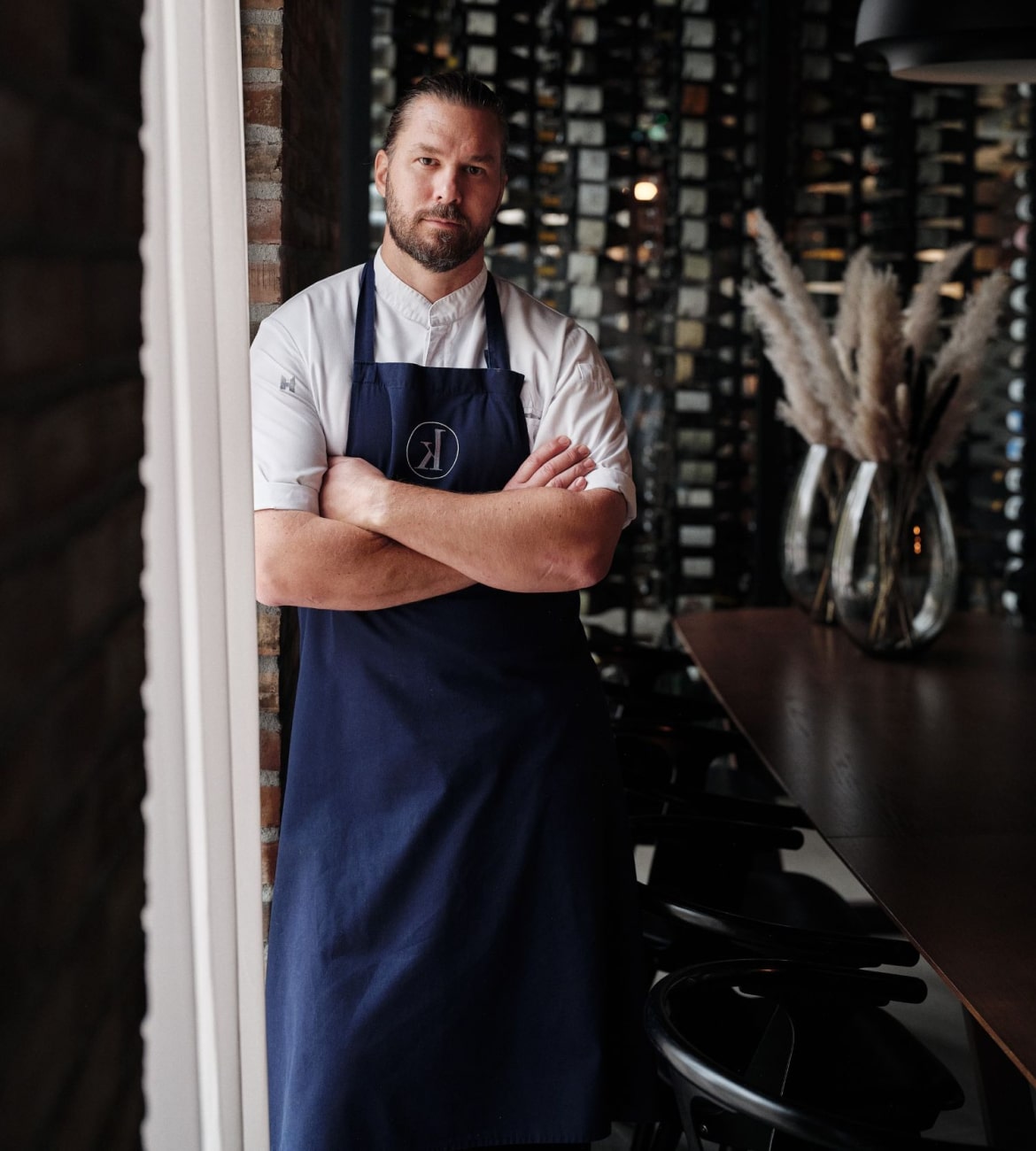
From the farmland of Skåne in southern Sweden to the kitchens of Oslo, Mikael Svensson has built a culinary philosophy around seasonality, sustainability, and making the most of every ingredient. Raised in the countryside among farms and a strong agricultural community, he developed an early appreciation for local produce and the way ingredients change throughout the year.
At Kontrast, his two-Michelin-starred restaurant in Oslo, Svensson takes that philosophy further, combining hyper-seasonal Nordic ingredients with fermentation, preservation, and a strong zero-waste mindset. The restaurant has also been recognized as one of the Michelin Guide’s first Mindful Voices, highlighting its commitment to more thoughtful and sustainable gastronomy.
That same thinking led to b.culture, the fermentation project Svensson created with business partner Will Moffat. Instead of discarding trims and by-products, they transform ingredients such as langoustine heads, scallop muscles, cheese rinds, bread, seaweed, and vegetable scraps into garums, seasonings, and other products, often finding that the overlooked part of an ingredient can become the most interesting one.
In this week’s Chef of the Week feature, Svensson talks about how his Skåne upbringing shaped his palate, why fermentation is still widely misunderstood, how sustainability can fuel creativity rather than limit it, and where he sees Nordic cooking heading next.
1. You grew up in the countryside of Skåne, in a region with a strong farming tradition. Looking back, how much of the chef you’ve become was shaped long before you ever stepped into a professional kitchen?
It definitely shaped me. The food I grew up with had a big influence on my palate and the way I cook today. In many ways, the ingredients we had then are the same ones I work with now, and the way we ate as a family throughout the different seasons has definitely influenced me as a chef and shaped my style of cooking.
2. Kontrast has become one of Norway’s leading restaurants, recently earning its second Michelin star. How does your Swedish heritage influence the way you interpret Norwegian ingredients? Is there a distinct “Skåne mindset” you bring to the Oslo food scene?
As a Swedish chef, and with my Skåne background, I might look at ingredients a little differently from my Norwegian colleagues. I don’t have the same traditional food culture or culinary heritage as they do. But the culinary world today is much more open and international, so I think those differences have less of an impact than they would have 20 years ago.
That said, there are still some clear differences between Swedish and Norwegian flavours, and I think you can notice some of those influences in my food.
3. Kontrast was recognised as one of the Michelin Guide’s first Mindful Voices. Sustainability has become a popular buzzword in hospitality, but what does it actually mean in your kitchen on a day-to-day basis?
Yes, it’s definitely a buzzword and something everyone is trying to implement in their own kitchens. I think we’re doing really well in some areas, but there’s always room to improve. Continuous improvement is very much part of the mindset here at Kontrast; trying to be better day by day and month by month is simply how we work. Whether it’s sustainability, creativity, the work environment, or the guest experience, they’re all equally important.
When it comes to sustainability, it’s something that’s very close to my heart. On a day-to-day basis, that’s reflected in the ingredients we choose, how we care for them, and how we maximise their use as we work towards a zero-waste approach.
4. Through b.culture, you’ve shown that ingredients many kitchens would discard can become some of the most exciting elements on the plate. Was there a particular moment when you realised food waste could become a source of creativity rather than compromise?
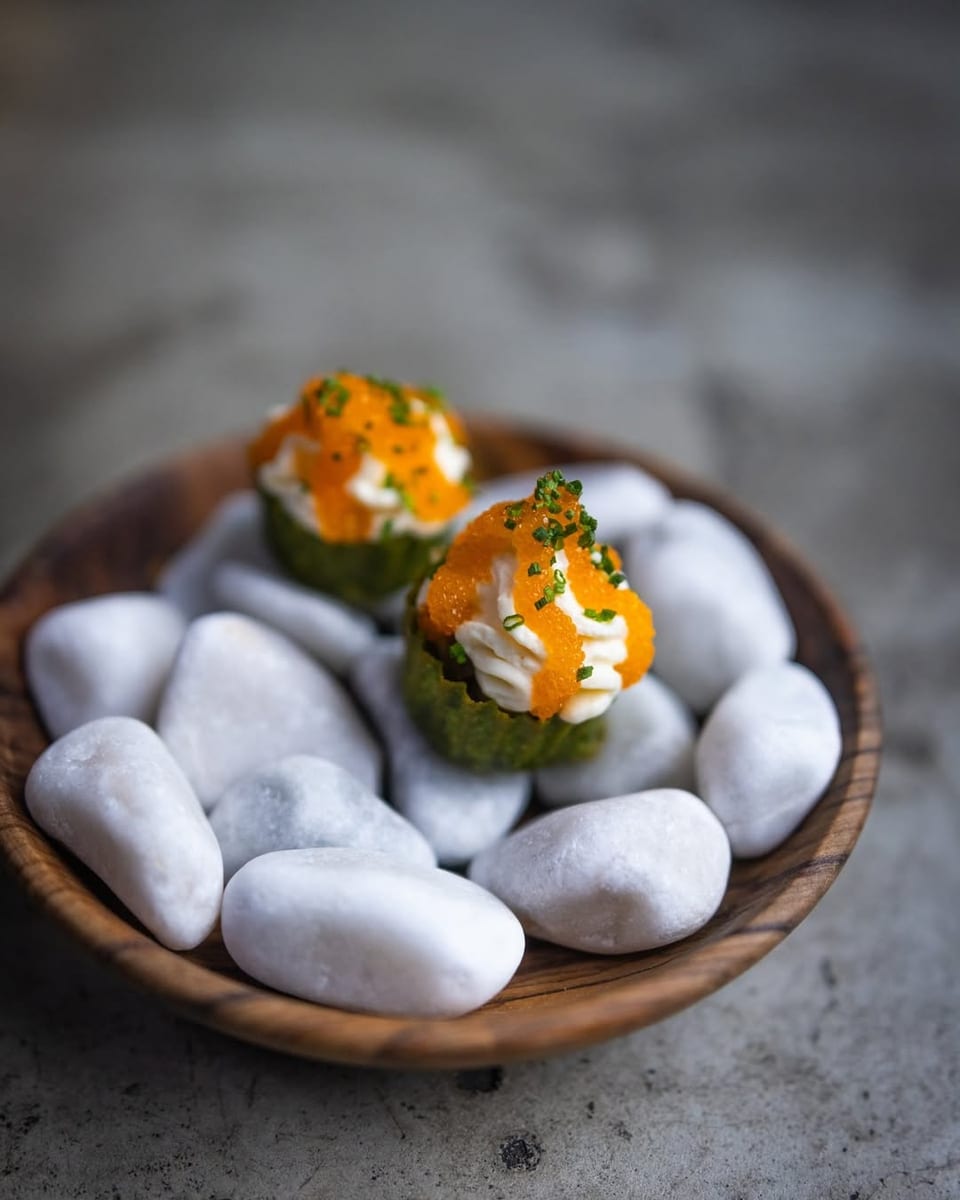
It started quite early, when I began to recognise that there was potential beyond just the main part of an ingredient. I started thinking more about how we could use every part of a product and how we could preserve flavours to carry them into another season.
For me, the more we experiment and learn, the more interesting it becomes. Every new technique opens up more possibilities, and sometimes the way we end up using a by-product is actually more exciting than the original ingredient itself.
5. Your b.culture ingredient list ranges from langoustine heads and scallop muscles to cheese rinds, bread, sea snails and celeriac trims. What’s the most stubborn “waste” ingredient you’ve ever tried to transform, and how did you finally crack its code?
It’s actually my business partner, Will Moffat, who has to crack most of the codes at b.culture. He’s the real fermentation wizard. I usually come to him with an idea of what I want to achieve and how I want it to taste, and then he has to figure out how to make it work.
That said, I’d say the different cheese garums have been some of the trickier ones to tackle. Fat can be a bit of an enemy in the fermentation process, so getting those right took more work.
6. Fermentation has become central to your cooking. What continues to fascinate you about it, and what do you think people often misunderstand about the role it plays in modern cuisine?
I think people often get the wrong impression when they hear the word fermentation. When someone says they don’t like fermented foods, I think they’re often just unaware of how broad fermentation actually is and what it can bring to a dish.
It can add both depth and freshness, depending on how you use it. That versatility is what fascinates me most: it can be used simply to build flavour, to preserve ingredients for another season, or even to completely change their texture.
7. Is there one dish currently on the Kontrast menu that best represents your philosophy as a chef? What makes it so meaningful to you?
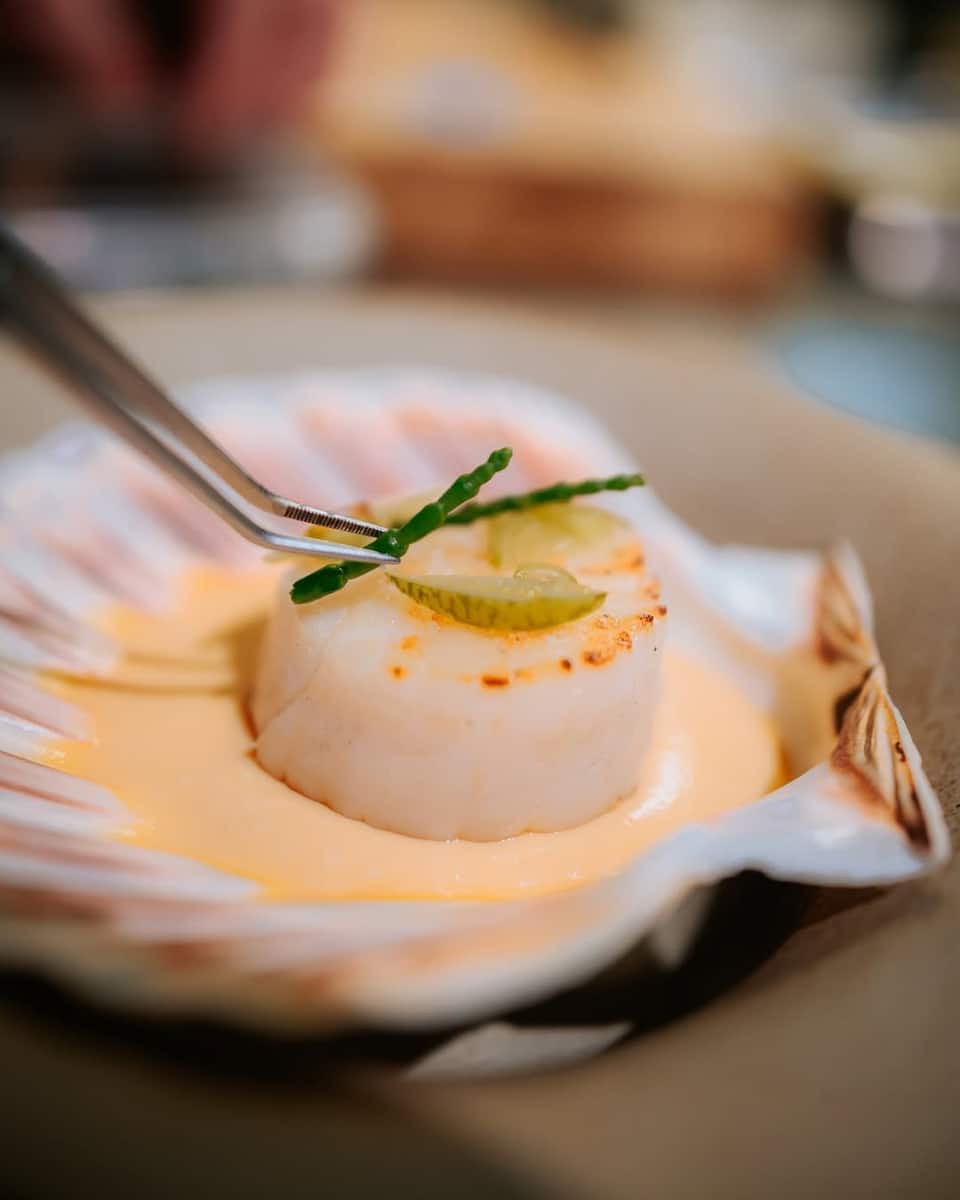
I would say our current scallop dish. It’s a dish where we use every part of the scallop. The small muscle, which is normally discarded, is turned into a garum, while the skirt is used to make both a broth and a glaze. The broth becomes the base of a chawanmushi, which we season with foraged, in-season meadowsweet. The roe is marinated and grilled, then served alongside the scallop itself.
When you eat the dish, you get all these different expressions of the scallop: the sweetness of the roe, the depth of the broth made from the skirt, and the texture, salinity, and natural sweetness of the scallop itself. Then you have the seasonal note from the meadowsweet and the smokiness from the grill, which I love.
8. Many of your dishes showcase ingredients that diners might never expect to find in a two-Michelin-starred restaurant. Have guests become more adventurous over the years, or do some ingredients still require a leap of faith?
It really depends on the guest and what they expect when they come here. If someone arrives expecting a more classic two-star experience built around traditional luxury ingredients, it can take a little more work for us to earn their trust and convince them to try everything.
Most of the time, though, they’re pleasantly surprised. Other guests come to Kontrast for exactly that reason: they want something a little different.
9. You’ve successfully transformed b.culture from an internal kitchen project into a consumer brand. Why was it important to make these ingredients available to home cooks rather than keeping them exclusive to Kontrast?
For both Will and me, b.culture was always meant to be about more than just solving the problem of how to use our own by-products at Kontrast. We wanted to have a bigger impact and work further up the supply chain, helping producers find value in ingredients and by-products that might otherwise be wasted.
By making these products available more widely, we can also help create a bigger market for them and raise awareness of just how much potential there is in ingredients that are often overlooked.
10. Scandinavian cuisine has evolved enormously over the past two decades. Where do you think it’s heading next?
It has evolved enormously, and it’s still evolving. I think the Nordic food scene is more interesting now than ever because there’s so much variety, and chefs are increasingly letting their own personalities come through in their cooking.
Looking ahead, I think we’ll continue to see even better ingredients coming from farmers and fishermen across the Nordics, and that will naturally inspire even more creativity in the kitchen.
11. Many home cooks are trying to reduce food waste but aren’t sure where to begin. What’s one habit or technique that anyone can adopt to make better use of the ingredients they already have?
I’d start by looking at the one thing you regularly have left over at home and focus on that. Find a few recipes that use it, get into the habit of saving it, and build a simple routine around using it up rather than throwing it away.
A good example is a whole roast chicken. After dinner, pick as much meat as you can from the bones and save it for pasta, a salad, or another meal the next day. Then use the bones to make a stock overnight, which you can use for soups, rice dishes, pasta, and so much more.
12. Finally, what’s next for you? Are there any new ingredients, fermentation projects, collaborations, or ideas you’re particularly excited to explore?
I’m always on the lookout for new ingredients, and there are a few coming into season now that we’re excited to start exploring. For b.culture, we’re about to launch with a supermarket chain across Norway, which is a really exciting next step for us.
At Kontrast, the focus is always on continuing to improve, explore new ideas, and find new ways to evolve what we do.

Chef Mikael Svensson | Instagram
Kontrast Oslo
Maridalsveien 15a, 0175 Oslo, Norway
